Dec 19, 2025 in News Legal News
Legal News: Snowplows, Salters & Private Contractors: Who’s Liable After a Winter-Operations Crash?
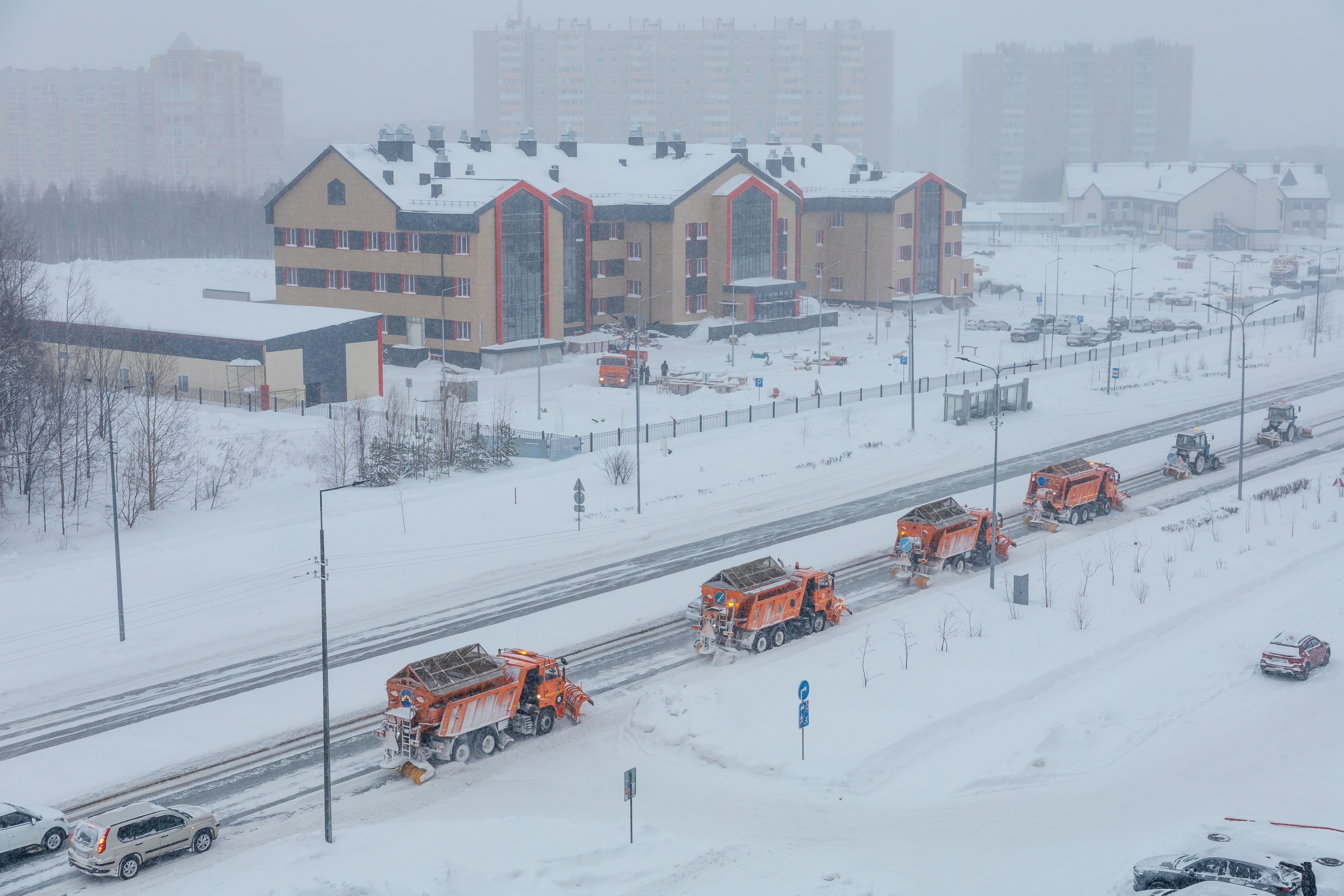
Understanding Fault in Snowplow, Salter, and Winter-Operations Collisions Across Canada
Every Canadian knows that winter driving comes with its own set of hazards, but few collisions are as complicated as those involving snowplows, salters, and private winter-maintenance contractors. These vehicles operate in harsh weather, often in low visibility, and frequently stop or swerve unpredictably. On top of this, impatient drivers may try to pass these slow moving heavy vehicles, putting themselves at risk unnecessarily. When a crash happens, determining liability becomes a tangled mix of municipal responsibility, contractor agreements, and driver conduct.
For injured victims, understanding who may be legally at fault is critical—especially when navigating insurance disputes or seeking compensation with the help of a personal injury lawyer in Toronto.
This article breaks down how liability works, what evidence matters, and how injured people can protect their rights after a winter-operations accident.
Why Winter-Operations Collisions Are So Complex
Unlike standard motor-vehicle accidents, winter-operations crashes often involve:
- Government vehicles working under statutory protections
- Private contractors with shifting responsibilities
- Real-time decision-making in dangerous weather
- Unique equipment with blind spots and limited stop times
Because of these factors, determining fault requires a thorough investigation, sometimes involving expert analysis, maintenance logs, winter-operations standards, and municipal contracts.
When Municipalities Can Be Liable
Most Canadian municipalities manage at least some portion of winter road maintenance. Under provincial laws such as Ontario’s Municipal Act, cities must keep roads in a “reasonably safe condition.” Failure to meet this duty can result in municipal liability—but only under specific circumstances.
Municipalities may be liable when:
1. They fail to meet minimum road-maintenance standards
If a road wasn’t plowed or salted within the timeframes required by provincial guidelines like Ontario’s Minimum Maintenance Standards, the municipality could be considered negligent.
2. Winter-maintenance vehicles were operated carelessly
Although plow operators get leeway to move slowly, cross lanes, reverse, or stop suddenly, their actions must still be reasonable.
Examples of negligent operation include:
- Backing up without checking blind spots
- Operating with non-functioning safety lights
- Failing to properly secure equipment
3. The municipality ignored complaints or known hazards
If citizens reported icy roads repeatedly—or if the city already knew of a problem area—and still failed to respond promptly, liability becomes more likely.
How Evidence Helps Prove Municipal Fault
Municipal investigations often require technical evidence, such as:
Maintenance Logs
These records track salting, sanding, plowing times, and road temperature readings. Missing or incomplete logs can suggest negligence.
GPS Tracking Data
Most plow and salter vehicles have GPS systems showing their routes, speeds, and stop points. This information can reveal whether operators followed protocol.
Dashcam Footage
More drivers than ever rely on dashcams, which often become crucial in showing:
- Lane changes during plowing
- Proximity of vehicles
- Traffic-light behaviour
- Visibility and weather conditions
Because municipal defendants tend to have strong legal teams and heightened evidentiary protections, working with knowledgeable personal injury lawyers becomes essential.
When Private Contractors Can Be Liable
Many cities outsource road maintenance to private contractors for subdivisions, parking lots, commercial plazas, and rural roads. In these cases, liability often depends on the contractual wording between the city and the contractor.
Private contractors may be liable when they:
1. Fail to follow contract requirements
If the contract requires salting within 60 minutes of snowfall and the contractor waited two hours, the delay may be deemed negligent.
2. Perform the job incorrectly or dangerously
This includes:
- Damaging road surfaces
- Over-salting or under-salting
- Failing to clear intersections or crosswalks
- Leaving windrows in dangerous spots
3. Cause collisions due to negligent vehicle operation
A plow driver employed by a private company may be responsible for:
- Improper reversing
- Swinging the blade into traffic
- Driving without proper lighting
- Failing to clear mirrors or use spotters
Contractors have fewer statutory protections than municipalities, making lawsuits against them more straightforward.
Evidence Used to Establish Contractor Negligence
- Employee time sheets
- On-board vehicle data
- Winter-maintenance schedules
- Internal dispatch records
- Surveillance footage from nearby properties
Contractor liability frequently overlaps with municipal responsibility, especially when both parties share maintenance duties.
When Drivers Can Be Liable
Not all winter-operations collisions are the fault of plows or cities. In many cases, private motorists contribute to or entirely cause the crash.
Drivers may be liable if they:
- Tailgate a plow (a common issue, since plows can throw snow backward)
- Ignore flashing amber lights
- Attempt to pass a plow in poor visibility
- Brake suddenly in front of a salter
- Fail to maintain winter tires or safe driving practices
Winter-maintenance vehicles have extremely limited visibility, and their stopping distances are far longer due to size and weight. Courts often consider these factors when assessing fault.
Shared Liability Is Common
In many cases, more than one party shares responsibility. For example:
- A municipality may have delayed salting a roadway.
- The contractor’s plow driver may have reversed improperly.
- The injured driver may have been travelling too fast for the conditions.
Canadian courts apportion fault based on percentage responsibility, which then affects how much compensation a victim can receive.
What Victims Should Do After a Winter-Operations Crash
If you’re involved in a collision with a plow, salter, or winter-maintenance contractor, taking early action is crucial.
Steps to protect yourself:
- Report the collision immediately to police and your insurer.
- Take pictures and video of the scene, vehicle damage, weather, and road conditions.
- Identify the operator — municipal worker or private contractor.
- Save dashcam footage before it is overwritten.
- Get witness information (drivers, pedestrians, homeowners).
- Speak with a Personal Injury Lawyer Toronto team that understands municipal and contractor liability.
Municipal claims also have strict notice periods under provincial legislation—sometimes as short as 10 days—so acting quickly is essential.
How Personal Injury Lawyers Help in These Cases
Experienced personal injury lawyers help victims by:
- Obtaining maintenance logs and GPS records
- Analyzing municipal standards and contractor agreements
- Working with crash-reconstruction engineers
- Challenging municipal or contractor defences
- Ensuring deadlines are met for municipal notice requirements
Firms like Neinstein Personal Injury Lawyers, with decades of experience in complex winter-operations and roadway liability claims, can help injured people navigate the legal system and fight for fair compensation.
Final Thoughts
Winter-operations collisions are rarely straightforward. Whether the crash involved a municipal plow, a contractor-operated salter, or a private driver, determining fault requires detailed investigation, strong evidence, and an understanding of municipal liability laws.
If you or someone you love has been injured in a winter-operations crash, or if you’re unsure who may be responsible, speaking with skilled personal injury lawyers can make all the difference. Understanding your rights early can help you access medical support, accident benefits, and compensation that reflects the seriousness of your injuries.
A dedicated Personal Injury Lawyer Toronto team—like the professionals at Neinstein Personal Injury Lawyers—can guide you through the process and help you seek justice after a complex winter-operations accident.

Category Selector
Select a category relevant to you.
- Social Host Liability
- Tort
- Spinal Injury
- Road Safety
- Slip and Fall Claims
- Snowmobile Accident
- Product Liability
- Rail Accidents
- Recalls
- News
- Nursing Home Negligence
- Personal Injury
- Physical and Psychological Injuries
- Negligent Supervision
- Neinstein in the Community
- Medical Malpractice
- Motorcycle Accidents
- Long Term Disability
- Chronic Pain
- COVID-19
- Dog Bites Claims
- Events
- General
- Homeowner Liability
- JUUL & Vaping
- JUUL Vaping Lawsuit
- Lawyer Profile
- Legal News
- Legal Representation
- Liability
- Long-term Care
- Blogs
- Boating Accident
- Brain Injury
- Car Accident
- Accident Benefits Claims
- Auto Insurance
- Bicycle Accidents
- Water Accidents
- Wrongful Death
- In the Community
Area of Expertise
Snowmobile accident
When a person is injured in a serious snowmobile accident, one of the first things they should do is contact an experienced snowmobile accident lawyer. Recovery from a serious injury can take years and require significant financial investment - our firm can help you access financial compensation to fund that recovery.
More Posts Legal SupportBook A Free Consultation
We will not charge you unless your case is successful.
At Neinstein we have been advocating for injured victims for over 55 years. Our committed and compassionate team will do everything necessary to help you and your family find solutions to the new challenges that arise from serious injuries.
Our team will ensure you access the proper healthcare support to aid in your recovery. While you focus on your rehabilitation, we will thoroughly investigate your case and guide you through the litigation process so we can achieve the maximum compensation that you deserve.