Feb 09, 2026 in News Legal News
Legal News: Winter Rear-End Crashes with Buses and Trucks: What Ontario Courts Are Saying About ‘Low-Impact’ Collisions
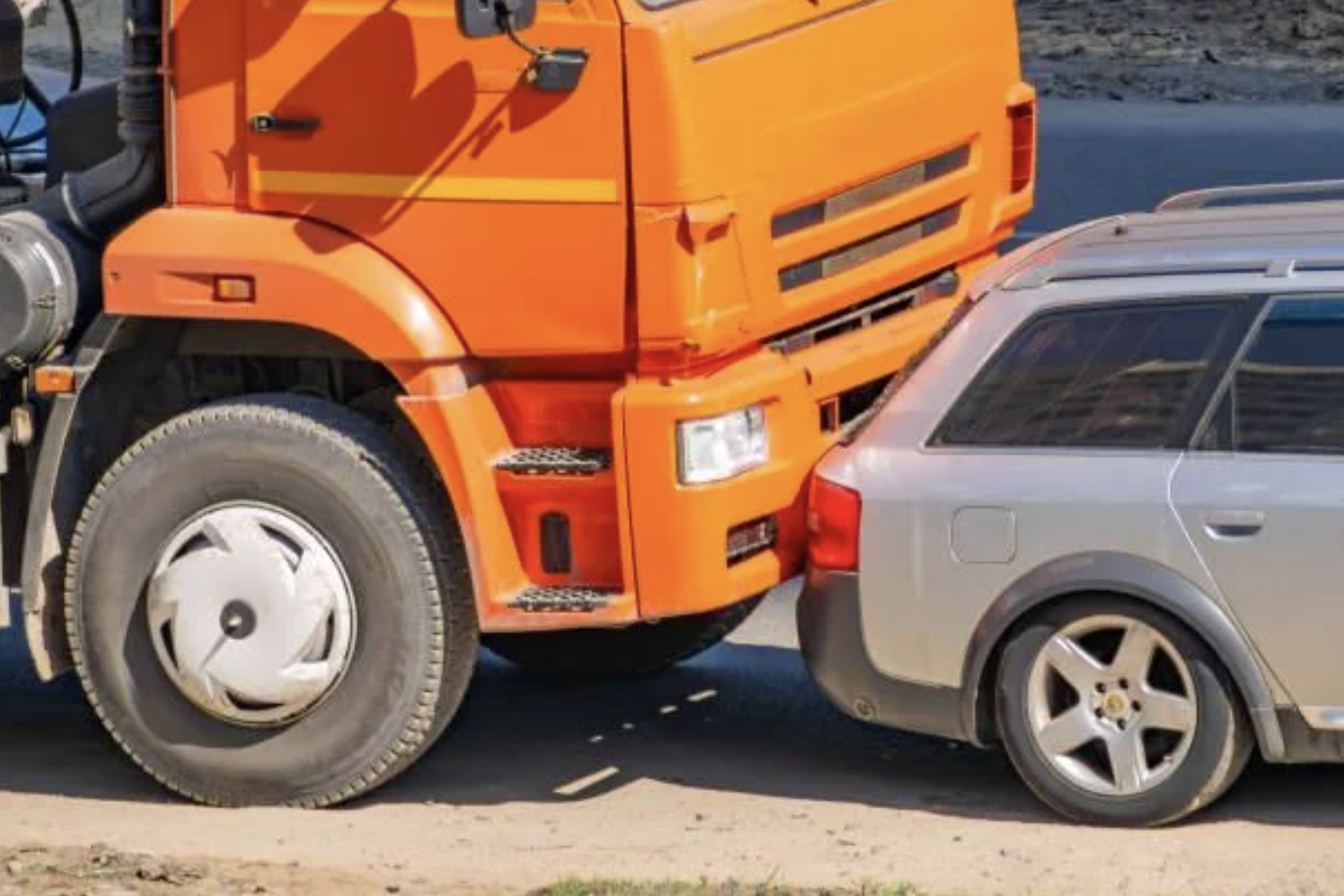
Winter driving in Ontario is unpredictable. One moment the roads are clear, and the next, a sudden freeze turns a routine commute into a hazardous situation. Among the most common winter collisions are rear-end crashes involving buses and transport trucks—and surprisingly, many of these are labelled as “low-impact” by insurers.
But Ontario courts have been increasingly clear: A small dent does not automatically mean a minor injury.
If you were rear-ended by a bus or a truck and the insurer is downplaying your injuries, the law—and modern medical science—may be on your side. As any experienced personal injury lawyer will tell you, “low-impact” is often a defence myth rather than a legal reality.
Why Winter Rear-End Crashes with Heavy Vehicles Are Different
When a car is rear-ended by a heavy commercial vehicle such as a TTC bus, GO bus, school bus, delivery truck, or transport trailer, several dynamics increase the risk of injury—even if the property damage looks modest.
1. Extreme Weight Differences
A fully loaded transport truck can weigh 20–30 times more than a passenger vehicle. Even at low speeds, the force transfer is substantial.
2. Winter Road Conditions Amplify Impact
Slush, black ice, and snow reduce tire grip. Heavy vehicles take longer to stop, meaning drivers often brake harder and later. Even if the visible damage is minor, the moment of impact can jolt occupants sharply, causing neck, back, and soft tissue injuries.
3. Occupant Vulnerability
Passengers rarely brace for impact. Whiplash, concussions, and chronic pain syndromes often arise from quick acceleration-deceleration forces, not crushed bumpers.
Ontario courts have repeatedly recognized these biomechanical realities—and they are not swayed by insurers who rely solely on the appearance of vehicle damage.
The “Low-Impact” Defence: Why Insurers Use It
Insurers frequently argue that:
- “Minimal property damage = minor injuries”
- “People don’t get hurt in slow-speed crashes”
- “Biomechanical experts say the forces were too low to injure anyone”
But these claims have been challenged—successfully—in Ontario courtrooms.
Courts Reject the Simplistic Link Between Damage and Injury
Judges have consistently stated that:
- Vehicle damage is not a reliable indicator of injury severity
- Human bodies respond differently to impact
- Pain and symptoms—not bumper repair cost—drive the legal analysis
Ontario courts often rely more heavily on medical evidence, such as:
- Clinical notes
- Specialist assessments
- Chronic pain diagnoses
- Concussion evaluations
- Functional impairment tests
This approach aligns with Canada’s official guidance on motor vehicle safety and collision forces, such as the educational materials provided by Transport Canada, which highlight that injuries can occur at low speeds due to sudden, unexpected forces.
Notable Themes Emerging from Ontario Case Law
While individual cases vary, several consistent legal themes are shaping how rear-end “low-impact” collisions with buses and trucks are viewed.
1. Courts Prioritize Credible Medical Opinions
Treating physicians, physiatrists, neurologists, and chronic pain specialists often carry more weight than defence biomechanical experts who never assess the patient in person.
2. Biomechanics Is Helpful—But Not Definitive
Biomechanical testimony is only one piece of the puzzle. Many judges note that these experts:
- Analyze vehicles, not people
- Work with limited assumptions
- Cannot determine how an individual body reacted
A “low-impact” label does not override lived experience or medical diagnosis.
3. Heavy Vehicle Impacts Are Misleadingly “Deceptive”
Even slow-moving buses or trucks transfer higher forces due to mass. Courts increasingly recognize that invisible damage does not mean invisible injuries.
4. Chronic Pain and Psychological Trauma Are Legally Compensable
Rear-end collisions may result in:
- Persistent neck and back pain
- Migraines
- PTSD or driving anxiety
- Reduced ability to work or perform daily tasks
Courts evaluate these consequences holistically—not through the lens of a dented bumper.
Why Biomechanical and Medical Evidence Strengthen Injury Claims
In low-visibility winter collisions, vehicle photos rarely tell the whole story. Strong injury claims are usually built on clear, objective evidence, such as:
- Accident reconstruction analysis
Helps establish speed, road conditions, braking distance, points of impact, and vehicle mass differences. - Medical specialist reports
Document the nature of the injuries and their longer-term effects on mobility, pain, sleep, and psychological well-being. - Evidence of functional limitations
Shows how the injury impacts work capacity, household responsibilities, daily activities, and overall quality of life. - Winter road and weather evidence
Ice, slush, and snow help explain how the collision occurred and why even a seemingly minor impact can produce meaningful forces.
Together, this evidence can help Ontario claimants respond to the “low-impact” defence and keep the focus where it belongs: on the real-world consequences of the injury.
Typical Winter Patterns in Bus and Truck Collisions
While every case is unique, accident experts commonly see the following winter patterns:
- Heavy vehicles slide despite braking
- The smaller car is thrust forward abruptly
- The seatback absorbs the initial force, jolting the occupant
- Secondary impacts occur (car slides into another vehicle or curb)
- Occupants experience delayed-onset symptoms hours or days later
These patterns are well-documented in winter collision research and consistent with what Ontario’s personal injury lawyers see each year.
What to Do If You Were Rear-Ended by a Bus or Truck This Winter
Even if your car “looks fine,” you should protect your legal and medical interests. A high-quality injury claim begins the moment the collision happens.
Here are important steps to take:
1. Seek immediate medical care
A doctor’s early assessment helps document injuries. Whiplash, concussions, and soft-tissue injuries often worsen over time.
2. Report the crash to police and your insurer
Winter conditions and heavy vehicles often trigger mandatory reporting.
3. Photograph the scene
Capture the bus/truck, road conditions, vehicle positioning, and any damage.
4. Follow your treatment plan
Missing appointments can weaken your case.
5. Speak with experienced legal counsel
Working with a personal injury attorney ensures that legal deadlines, medical documentation, and expert opinions are properly handled.
How a Personal Injury Lawyer Toronto Team Can Help You Push Back Against Defence Myths
When insurers push “low-impact” arguments, your case can quickly become technical. A seasoned legal team understands how to counter weak biomechanical opinions and present compelling medical evidence.
If you're unsure whether you need help, this resource explains the right timing: When to hire a lawyer after a car accident
Rear-end crashes involving buses and trucks—especially in winter—almost always deserve professional review. A knowledgeable personal injury law firm can:
- Gather winter weather reports
- Hire accident reconstruction engineers
- Obtain medical expert assessments
- Challenge unfair “low-impact” defence opinions
- Present compelling evidence about chronic pain, mobility issues, and emotional trauma
- Ensure all claims are filed within Ontario limitations periods
Most importantly, the right personal injury lawyers help you move from “what happened to the car” to what matters most: what happened to you. If you’re dealing with symptoms, missed work, or a long recovery after a winter collision, speaking with a lawyer early can help you protect your options and pursue fair compensation.
Category Selector
Select a category relevant to you.
- Social Host Liability
- Tort
- Spinal Injury
- Road Safety
- Slip and Fall Claims
- Snowmobile Accident
- Product Liability
- Rail Accidents
- Recalls
- News
- Nursing Home Negligence
- Personal Injury
- Physical and Psychological Injuries
- Negligent Supervision
- Neinstein in the Community
- Medical Malpractice
- Motorcycle Accidents
- Long Term Disability
- Chronic Pain
- COVID-19
- Dog Bites Claims
- Events
- General
- Homeowner Liability
- JUUL & Vaping
- JUUL Vaping Lawsuit
- Lawyer Profile
- Legal News
- Legal Representation
- Liability
- Long-term Care
- Blogs
- Boating Accident
- Brain Injury
- Car Accident
- Accident Benefits Claims
- Auto Insurance
- Bicycle Accidents
- Water Accidents
- Wrongful Death
- In the Community
Area of Expertise
Accident benefit dispute
Accident benefits, or "no-fault" benefits, are available to anyone involved in a car accident, regardless of who is responsible. At Neinstein LLP, we can help advance your accident benefit claim while providing you and your family with the guidance and resources necessary to focus on your recovery. Our accident benefits lawyers based in the Toronto region will act as your advocate and trusted advisor in all matters related to personal injury litigation.
More Posts Legal SupportBook A Free Consultation
We will not charge you unless your case is successful.
At Neinstein we have been advocating for injured victims for over 55 years. Our committed and compassionate team will do everything necessary to help you and your family find solutions to the new challenges that arise from serious injuries.
Our team will ensure you access the proper healthcare support to aid in your recovery. While you focus on your rehabilitation, we will thoroughly investigate your case and guide you through the litigation process so we can achieve the maximum compensation that you deserve.