Dec 29, 2025 in News Snowmobile Accident
Snowmobile Accident: Holiday Drinking, Cannabis and Winter Roads: Your Rights After an Impaired Driving Crash
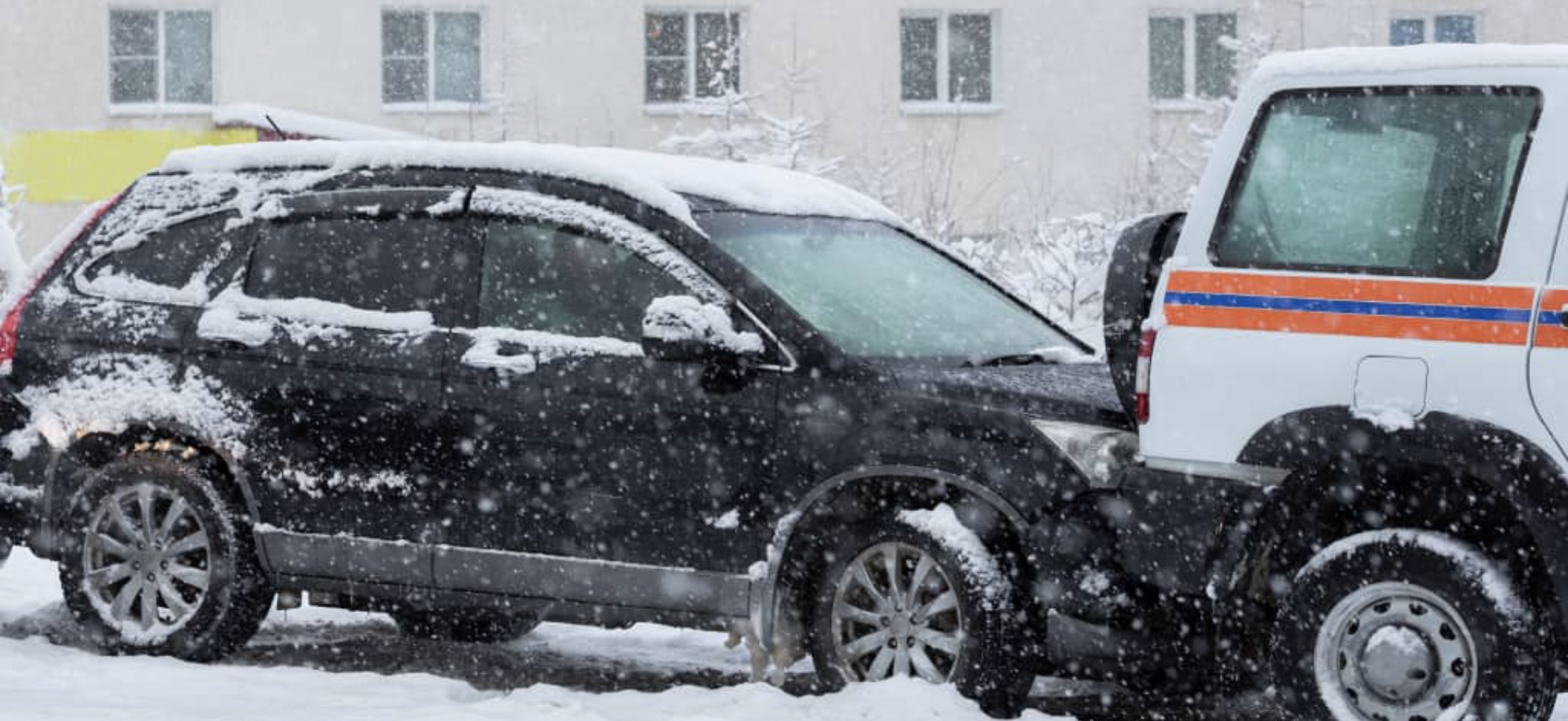
The winter holiday season in Canada often brings people together—office parties, family dinners, and festive celebrations. Unfortunately, it also brings an increase in impaired driving crashes. Each year, police departments across the country report spikes in collisions linked to alcohol, cannabis, and winter road conditions.
For people injured in these crashes, the aftermath is often overwhelming. You may be dealing with painful injuries, unexpected medical bills, and uncertainty about what your rights actually are. Understanding how impairment is proven, what you can claim as a passenger or another driver, and the role of punitive or aggravated damages can make a major difference in your recovery.
This article explains your rights after a holiday-season impaired driving collision—and what steps you should take to protect yourself.
How Alcohol Impairment Is Proven After a Crash
When police arrive at the scene of a collision, they immediately look for signs of impairment. With alcohol, impairment can be established through several methods:
1. Breathalyzer Tests
If officers have reasonable suspicion that a driver has consumed alcohol, they can demand a roadside breath test. A failed result typically leads to a formal breathalyzer test at the station. Those results are strong evidence in court and in subsequent legal claims.
2. Observational Evidence
Police reports often record the officer’s observations:
- Slurred speech
- Bloodshot eyes
- Smell of alcohol
- Poor motor coordination
- Inconsistent explanations
These observations carry significant weight in both criminal and civil proceedings.
3. Field Sobriety Tests
Not all officers will use them, but roadside coordination tests (walking heel-to-toe, standing on one leg, etc.) can support a finding of impairment.
4. Witness Statements
Servers, party hosts, passengers, and bystanders may contribute evidence about how much a driver consumed before getting behind the wheel.
For victims, this evidence becomes important in proving negligence. Impaired driving crashes often lead to more severe injuries, especially in high-speed accidents, which is why many people seek help from a distracted or impaired driving lawyer to build a strong case.
How Cannabis Impairment Is Proven in Ontario
Cannabis impairment is evaluated differently than alcohol—and this area of law continues to evolve as roadside testing becomes more sophisticated.
1. Drug Recognition Evaluation (DRE)
A certified Drug Recognition Expert examines the driver’s:
- Pupil size
- Pulse
- Blood pressure
- Muscle tone
- Ability to perform divided-attention tasks
The DRE evaluation is detailed and can strongly support a finding of impairment.
2. Oral Fluid Screening
Police may use approved roadside devices to test saliva for THC. A positive result can justify further testing at the station.
3. Blood Tests
If police have grounds to believe a driver is impaired, they may request a blood sample. THC levels above legal limits can result in criminal charges.
4. Behaviour Behind the Wheel
Officers consider signs such as:
- Weaving
- Delayed reaction time
- Driving too slowly
- Inappropriate speed for road conditions
For more context on cannabis use and road safety, you can read Neinstein’s article on attempts to communicate dangers of drug-impaired driving ahead of marijuana legalization .
Winter Roads Make Impaired Driving Even More Dangerous
Winter driving in Canada brings its own challenges—black ice, limited visibility, slush, whiteouts, and frozen pavement. When impairment is added to the mix, the results can be catastrophic.
Even sober drivers struggle with sudden ice patches, but impaired drivers face delayed reactions and poor judgment, which significantly raises the risk of high-speed and intersection collisions.
If you want helpful safety reminders for the season, Neinstein’s guide on winter driving provides practical advice: Slowing Down is the First Step to Safer Winter Driving
What Injured Passengers Can Claim After an Impaired Driving Crash
Passengers are often not responsible for an impaired driving collision — but in some cases, compensation can be reduced if the evidence supports contributory negligence (for example, not wearing a seatbelt).
Accident Benefits (No-Fault Benefits)
In Ontario, many injured passengers can access benefits under the Statutory Accident Benefits Schedule (SABS) , regardless of who caused the crash.
These may include:
- Medical and rehabilitation coverage
- Income replacement benefits
- Attendant care benefits
- Housekeeping/home maintenance in limited situations (often tied to catastrophic impairment or optional coverage)
Lawsuits Against the Impaired Driver (Tort Claims)
A civil claim can provide compensation for:
- Pain and suffering
- Lost wages and future income
- Loss of enjoyment of life
- Future care costs
- Out-of-pocket expenses
Claims Against Bars or Establishments (Dram Shop Liability)
In some cases, a bar or restaurant may share responsibility if it negligently served (or failed to manage) an intoxicated patron and that risk led to harm. Canadian courts recognize this kind of commercial host liability (see Jordan House Ltd. v. Menow ).
By contrast, the Supreme Court of Canada has generally held that social hosts do not owe a duty of care to the public for an intoxicated guest’s driving (see Childs v. Desormeaux ).
In Ontario, servers are also expected to complete approved responsible service training such as Smart Serve (AGCO-recognized training), which can be relevant to what reasonable service practices should look like.
What Injured Drivers Can Claim
If you were driving and were hit by an impaired driver, you can often pursue the same categories of compensation as an injured passenger. The difference is that driver claims can involve more detailed disputes about fault and how the crash happened — not just whether the other driver was impaired.
A skilled personal injury lawyer can help assess key issues such as:
- Whether the impaired driver was speeding
- Whether visibility or poor winter maintenance played a role
- Whether the driver was distracted or texting in addition to being impaired
- Whether aggravating factors make the case eligible for punitive damages
If you want a deeper look at how Ontario courts evaluate liability and legal arguments in serious motor vehicle cases, read Neinstein’s article on constitutional challenges affecting car accident lawsuits .
Punitive and Aggravated Damages: Why Impaired Driving Cases Are Different
While most personal injury claims focus on compensating victims, impaired driving introduces an extra layer of seriousness. Courts in Canada view drunk or drug-impaired driving as reckless and morally blameworthy. This can lead to two special types of damages:
1. Punitive Damages
Punitive damages are meant to punish the wrongdoer and discourage similar conduct. They are not awarded in every case, but impaired driving—especially where the driver was excessively intoxicated, speeding, or ignoring winter warnings—can create circumstances where punitive damages are justified.
Examples include:
- The driver had multiple prior impaired driving charges
- The driver was racing or driving at extreme speeds
- The driver attempted to flee the scene
- The driver deliberately ignored warnings not to drive
2. Aggravated Damages
These damages compensate for how the defendant’s behaviour has aggravated the victim’s suffering—such as emotional trauma, humiliation, or ongoing psychological distress.
Why These Damages Matter
Punitive and aggravated damages:
- Increase accountability
- Reflect the seriousness of impaired driving
- Help victims receive more complete compensation
- Recognize the moral wrongdoing involved
Your personal injury lawyer may pursue these in addition to compensation for physical injuries.
What to Do If You’ve Been Injured in a Holiday Impaired Driving Crash
Here are the most important steps to protect your health and your rights:
- Call 911 immediately – Police documentation is crucial in impaired driving cases.
- Seek medical attention, even if you feel okay initially.
- Take photos of the scene, road conditions, and vehicle damage.
- Gather witness information.
- Report the accident to your insurer as soon as possible.
- Speak with experienced car accident lawyers who understand both impairment and winter hazards.
An impaired driving lawyer can help preserve evidence, deal with insurance adjusters, and prepare a claim that reflects the seriousness of the driver’s misconduct.
Final Thoughts
Holiday celebrations should be joyful—not life-threatening. When drivers mix alcohol, cannabis, and harsh winter roads, the consequences can be devastating. If you or someone you love has been injured, remember that you have rights. Whether you are a passenger or another driver, compensation is available, and in many cases, punitive or aggravated damages may also apply.
Working with experienced personal injury lawyers in Toronto ensures you have the support needed to pursue justice and secure your recovery.

Category Selector
Select a category relevant to you.
- Social Host Liability
- Tort
- Spinal Injury
- Road Safety
- Slip and Fall Claims
- Snowmobile Accident
- Product Liability
- Rail Accidents
- Recalls
- News
- Nursing Home Negligence
- Personal Injury
- Physical and Psychological Injuries
- Negligent Supervision
- Neinstein in the Community
- Medical Malpractice
- Motorcycle Accidents
- Long Term Disability
- Chronic Pain
- COVID-19
- Dog Bites Claims
- Events
- General
- Homeowner Liability
- JUUL & Vaping
- JUUL Vaping Lawsuit
- Lawyer Profile
- Legal News
- Legal Representation
- Liability
- Long-term Care
- Blogs
- Boating Accident
- Brain Injury
- Car Accident
- Accident Benefits Claims
- Auto Insurance
- Bicycle Accidents
- Water Accidents
- Wrongful Death
- In the Community
Area of Expertise
Snowmobile accident
When a person is injured in a serious snowmobile accident, one of the first things they should do is contact an experienced snowmobile accident lawyer. Recovery from a serious injury can take years and require significant financial investment - our firm can help you access financial compensation to fund that recovery.
More Posts Legal SupportBook A Free Consultation
We will not charge you unless your case is successful.
At Neinstein we have been advocating for injured victims for over 55 years. Our committed and compassionate team will do everything necessary to help you and your family find solutions to the new challenges that arise from serious injuries.
Our team will ensure you access the proper healthcare support to aid in your recovery. While you focus on your rehabilitation, we will thoroughly investigate your case and guide you through the litigation process so we can achieve the maximum compensation that you deserve.