Jun 20, 2026 in News Accident Benefits Claims
Accident Benefits Claims: E-Bike Accident Benefits in Ontario After July 1, 2026: What Riders Need to Know
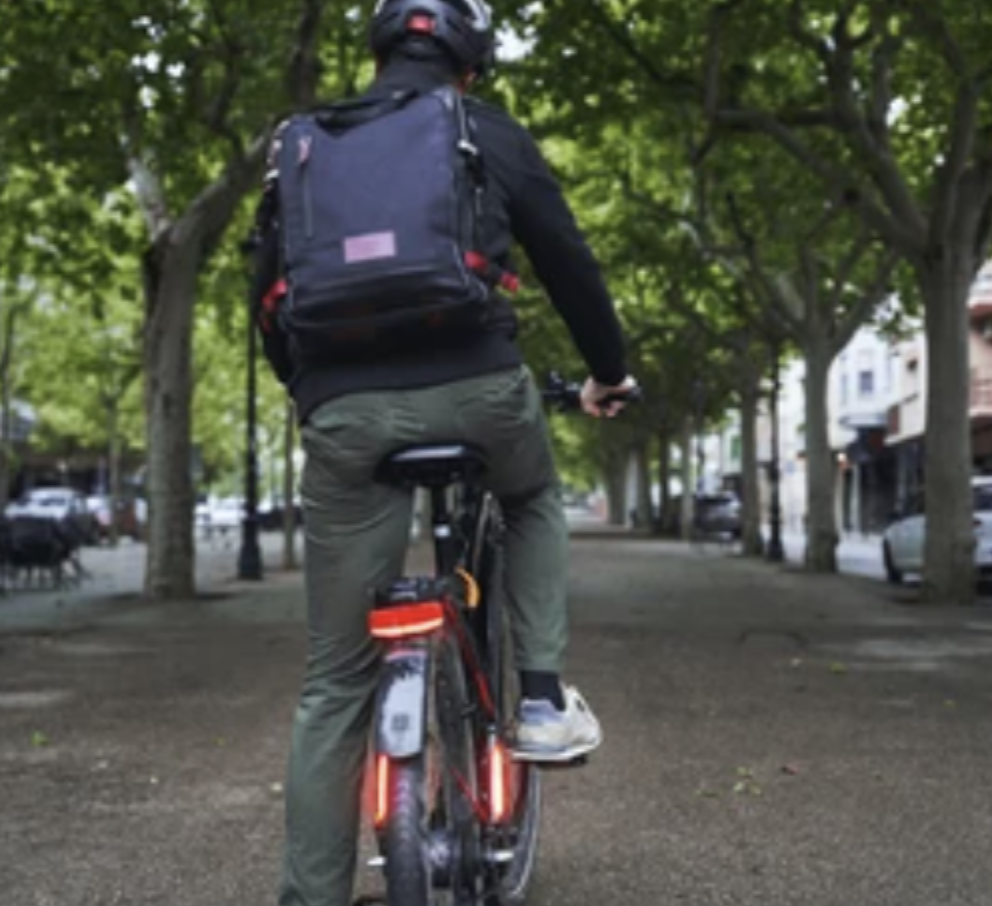
If you ride an e-bike in Ontario, there is a good chance you already know the legal landscape can feel murky after a crash. Many riders are unsure whether they are treated like cyclists, motor vehicle users, or something in between. That confusion matters even more right now because Ontario’s accident benefits system is set to change on July 1, 2026, with important consequences for anyone injured in a collision involving a motor vehicle.
For injured riders, the practical question is simple. If you are hit while riding an e-bike, what benefits will still be available, and what gaps in coverage could matter to your claim? The answer depends on the type of collision, the insurance in play, and the details of your policy. It also depends on understanding that an e-bike case is not always treated the same way as an ordinary bicycle case or a standard car accident.
How E-Bikes Fit Into Ontario’s Legal Framework
Under Ontario’s e-bike rules, e-bikes can generally be used on roads where regular bicycles are allowed, subject to municipal restrictions and technical requirements. They are not ordinarily treated as motor vehicles in the same way as cars or motorcycles. That distinction has always created confusion, and Neinstein’s blog on whether an e-bike is considered a motor vehicle in Ontario explains why that legal classification matters so much when liability and compensation are on the line.
For many riders, that legal grey area only becomes important after something goes wrong. A crash that seems straightforward at first can quickly turn into a more technical question about insurance, fault, and what benefits are actually available.
What Changes on July 1, 2026
The upcoming insurance changes make that conversation more urgent. Under the Statutory Accident Benefits Schedule, certain benefits become optional on policies entered into or renewed on or after July 1, 2026. In practical terms, medical, rehabilitation, and attendant care benefits remain the core mandatory protections, while other benefits that many Ontarians are used to being part of the standard package will depend more heavily on what was actually purchased under the policy.
That matters for e-bike riders because a serious collision can lead to much more than hospital treatment. Someone with fractures, a concussion, nerve damage, chronic pain, or an inability to return to work may quickly discover that the biggest financial pressure is not always the first round of treatment. It may be income interruption, housekeeping help, caregiving demands, or the broader cost of trying to recover while daily life has been turned upside down.
Why the Insurance Changes Could Affect a Claim
Neinstein’s own piece on 2026 SABS auto insurance coverage changes makes this point clear. The useful takeaway from that blog is that these reforms are not just technical insurance changes. They affect how real people will manage the financial aftermath of serious injuries. For e-bike riders, that means the gap between “I was hurt” and “what support is actually available” may become more important than ever.
The first thing to understand is that accident benefits only enter the conversation when a motor vehicle is involved. If an e-bike rider is hit by a car, truck, or other insured automobile, accident benefits may still be available regardless of fault. If the crash does not involve an automobile at all, the analysis changes. That distinction is easy to miss, especially when people assume every traffic collision works the same way.
What Riders Should Do After a Serious Collision
This is one reason Neinstein’s blog on what to do after a car accident in Ontario is still worth reading even for e-bike riders. One of its strongest practical points is that early evidence and early reporting matter. If an e-bike rider is struck by a motor vehicle, preserving the scene, witness names, medical records, and any available video can shape both the accident benefits side of the case and any tort claim against the at-fault driver.
Another issue riders should not overlook is eligibility. The Insurance Bureau of Canada’s overview of Ontario’s auto insurance changes notes that the coverage in place at the time of the accident is what matters. That means riders and families cannot safely assume they will sort out the details later. If optional protections are reduced or declined before a crash, that decision can affect what support exists after one.
Why the Tort Claim May Matter Even More
This does not mean every injured e-bike rider will suddenly be left without options. It does mean there may be more pressure on the tort side of the case when serious injuries lead to income loss, future care needs, or other long-term consequences. It also means insurers, riders, and families will need to pay closer attention to what coverage was actually in place when the collision occurred.
The legal side of an e-bike case can become technical very quickly. You may be dealing with fault arguments, benefit eligibility, statutory timelines, and questions about how the e-bike itself is treated under Ontario law. That is especially true when the injuries are significant or the insurer disputes what should be available.
Understanding the coming changes before an accident is useful. Understanding them after an accident is essential. If you have been seriously injured, an e-bike accident lawyer Toronto can help assess not only who was at fault, but also how the accident benefits framework may affect the overall claim.
The bigger point is that e-bike cases are no longer a niche issue. More riders are commuting, working, and moving through traffic on devices that sit in a legally awkward middle ground. When a crash happens, that grey area can have real financial consequences. As July 1, 2026 approaches, riders should not assume the benefits system will work the same way it did before.
FAQs
Can an e-bike rider claim accident benefits in Ontario?
If an e-bike rider is injured in a collision involving a motor vehicle, accident benefits may be available regardless of fault. If no automobile is involved, the analysis is different.
What changes on July 1, 2026?
Ontario’s accident benefits system changes for policies entered into or renewed on or after July 1, 2026, with many benefits becoming optional rather than automatically included.
Why does this matter for e-bike riders?
Because serious e-bike injuries often involve more than immediate treatment. Income loss, long-term recovery, and care needs can make coverage details much more important than riders expect.
Category Selector
Select a category relevant to you.
- Social Host Liability
- Tort
- Spinal Injury
- Road Safety
- Slip and Fall Claims
- Snowmobile Accident
- Product Liability
- Rail Accidents
- Recalls
- News
- Nursing Home Negligence
- Personal Injury
- Physical and Psychological Injuries
- Negligent Supervision
- Neinstein in the Community
- Medical Malpractice
- Motorcycle Accidents
- Long Term Disability
- Chronic Pain
- COVID-19
- Dog Bites Claims
- Events
- General
- Homeowner Liability
- JUUL & Vaping
- JUUL Vaping Lawsuit
- Lawyer Profile
- Legal News
- Legal Representation
- Liability
- Long-term Care
- Blogs
- Boating Accident
- Brain Injury
- Car Accident
- Accident Benefits Claims
- Auto Insurance
- Bicycle Accidents
- Water Accidents
- Wrongful Death
- In the Community
Area of Expertise
Accident benefit dispute
Accident benefits, or "no-fault" benefits, are available to anyone involved in a car accident, regardless of who is responsible. At Neinstein LLP, we can help advance your accident benefit claim while providing you and your family with the guidance and resources necessary to focus on your recovery. Our accident benefits lawyers based in the Toronto region will act as your advocate and trusted advisor in all matters related to personal injury litigation.
More Posts Legal SupportBook A Free Consultation
We will not charge you unless your case is successful.
At Neinstein we have been advocating for injured victims for over 55 years. Our committed and compassionate team will do everything necessary to help you and your family find solutions to the new challenges that arise from serious injuries.
Our team will ensure you access the proper healthcare support to aid in your recovery. While you focus on your rehabilitation, we will thoroughly investigate your case and guide you through the litigation process so we can achieve the maximum compensation that you deserve.