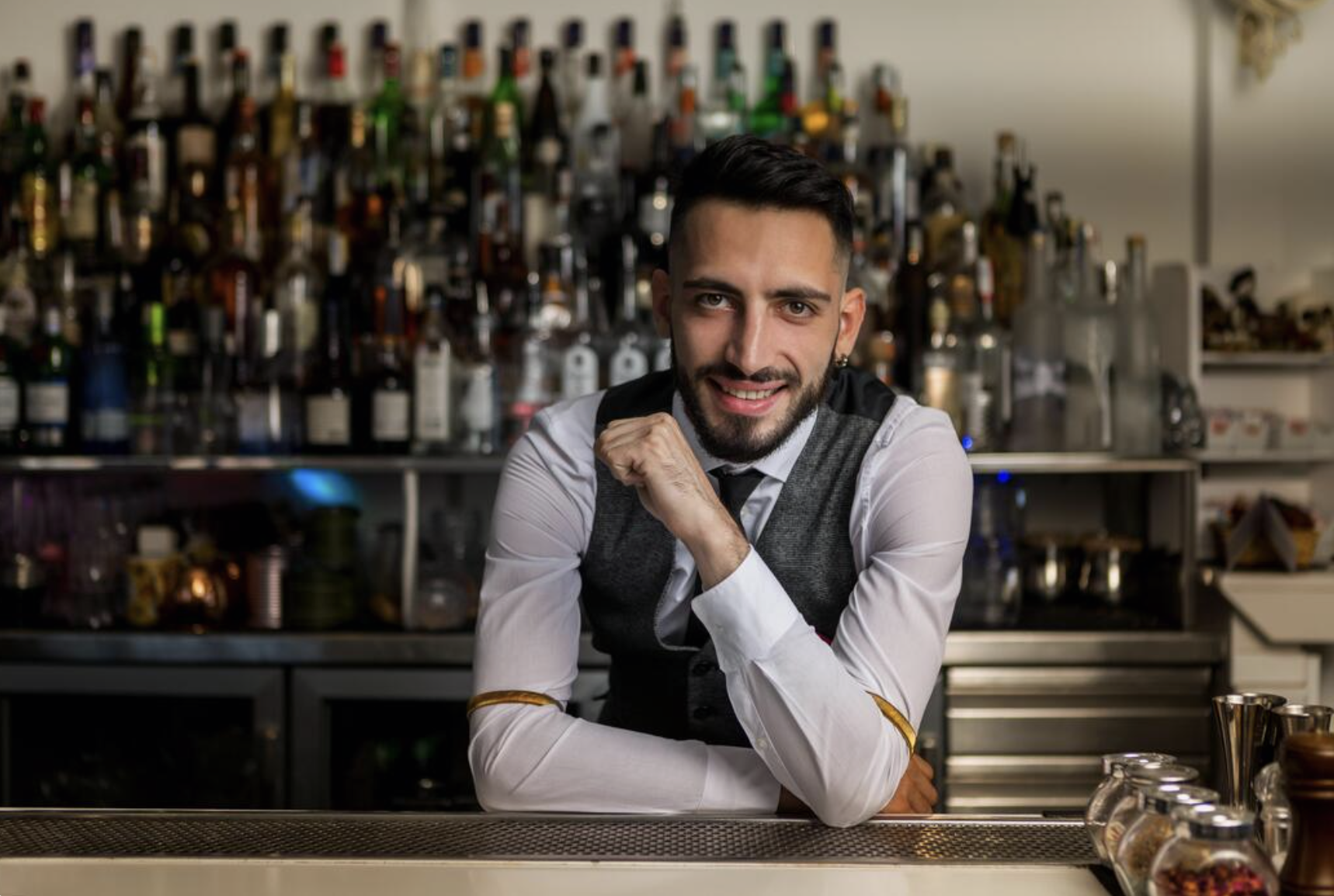
The holiday season is supposed to be a time for celebration, family gatherings, and office parties. But every year in Ontario, impaired driving collisions spike during November and December—and many of these tragedies start long before a driver turns the key in the ignition. They begin at a bar, restaurant, workplace event, or private home where someone was overserved or allowed to leave while visibly intoxicated.
Most people know that drunk drivers face criminal charges. What many families don’t realize is that bars, restaurants, or even private social hosts may also be legally responsible when someone they served causes a serious crash. When victims are left with life-changing injuries—or when families lose a loved one—the question of liability becomes critical.
This article breaks down the differences between commercial and social host liability in Canada, how overserving can lead to legal accountability, and what injured people can do to protect their rights.
Why Impaired Driving Liability Matters During the Holidays
The holidays come with longer nights, more social events, and higher alcohol consumption. According to Transport Canada, impaired driving remains one of the leading criminal causes of death in the country. During holiday months, the risk climbs significantly, which is why provincial authorities and organizations like MADD Canada intensify public safety campaigns.
Still, year after year, Ontario sees preventable collisions that leave people with catastrophic injuries or grieving an unimaginable loss. Understanding where liability may extend can help families seek accountability—and encourage safer decision-making during the season.
Bar and Restaurant Liability: When Alcohol Service Crosses the Line
Bars and restaurants in Ontario owe a clear, legal duty to their patrons and the public. They are expected to serve alcohol responsibly, monitor intoxication levels, and take reasonable steps to prevent impaired customers from driving.
When Can a Bar Be Held Liable?
A commercial establishment may be held responsible when:
1. Staff Overserve a Clearly Intoxicated Patron
Signs of impairment include slurred speech, unsteady movement, aggressive behaviour, and difficulty focusing. Continuing to serve someone who is obviously drunk is a major breach of duty.
2. They Ignore Warnings or Concerns
If other patrons or staff raise concerns—“He’s had too much” or “She shouldn’t be driving”—and the bar fails to act, that can increase liability.
3. No Steps Are Taken to Prevent a Drunk Patron From Driving
Reasonable steps may include:
- Calling a cab or rideshare
- Suggesting the person stay until sober
- Taking car keys when safe
- Notifying police if the person attempts to drive
Courts have repeatedly found that bars have a heightened duty because they are licensed establishments trained to recognize intoxication and prevent overservice.
Example: A Holiday Work Gathering Gone Wrong
Imagine a staff holiday party held at a Toronto restaurant. Alcohol is included. One employee becomes visibly intoxicated—stumbling, shouting, and dropping drinks. Instead of cutting him off, servers continue topping up his glass.
He insists on driving home, and no one intervenes. Minutes later, he runs a red light and causes a devastating collision that leaves another driver with spinal injuries.
In a case like this, both the impaired driver and the establishment could face civil liability. This is where experienced personal injury lawyers can step in to investigate the alcohol service practices, witness statements, and surveillance video.
For more on how Ontario courts treat these cases, see this article on social host and commercial liability in drunk-driving cases: Understanding Liability in Social Host Impaired Driving Cases
Social Host Liability: When Private Parties Can Lead to Legal Consequences
Most Canadians assume liability only applies to bars or licensed venues. But courts have signalled that hosts at private residences may also be responsible in limited circumstances, especially when:
- They continue to provide alcohol to an intoxicated guest
- They encourage risky behaviour
- They knowingly let a drunk guest leave while impaired
- They supervise an event where alcohol is freely available to minors
Social Hosts Have a Lower Duty—but Still a Duty
A private homeowner is not held to the same standard as a commercial establishment. They are not expected to monitor every drink or assess each guest’s sobriety like a trained bartender would. However, they can be liable if their actions create or worsen the risk.
Example: A Backyard Holiday Bonfire
Consider a holiday gathering where the hosts supply drinks and notice one guest drinking heavily. He becomes unsteady and repeatedly mentions that he needs to drive home. Rather than intervening, the hosts continue offering drinks and, at the end of the night, say nothing as he heads to his car.
If that guest causes a serious crash, Ontario courts may examine whether the hosts failed to act reasonably given the circumstances.
For more background on impaired driving laws and responsibilities, see: Impaired Driving Laws and Personal Injury Liability
Overserving: The Hidden Catalyst Behind Holiday Collisions
Overserving—whether by a bartender or a social host—plays a central role in civil liability. Courts look closely at the moments leading up to a crash to determine:
- How much alcohol was consumed
- Whether the server or host noticed intoxication
- What steps, if any, were taken to intervene
- Whether reasonable action could have prevented the collision
When overserving leads to catastrophic injuries, victims often rely on car accident lawyers to investigate and gather evidence such as witness accounts, bartending protocols, credit card receipts, and security footage.
What Victims and Families Can Do After an Impaired Driving Crash
When someone is injured—or a family loses a loved one—because another person drank too much and drove, the situation feels overwhelming. But there are steps you can take to protect your rights.
1. Contact a Personal Injury Lawyer Early
A knowledgeable personal injury lawyer can begin gathering evidence before it disappears. Bars often overwrite surveillance footage within days, and witness memories fade quickly.
2. Preserve Receipts, Photos, and Witness Names
Any detail—no matter how small—may help establish the timeline of alcohol service.
3. Seek Immediate Medical Care
Documentation of injuries is crucial for both health and legal purposes.
4. Do Not Speak to Insurance Adjusters Without Legal Advice
Insurance representatives may push for statements that could affect liability.
5. Understand That Multiple Parties May Share Fault
It’s not always just the impaired driver. The bar, restaurant, event organizers, or homeowner may also bear responsibility.
Accountability Matters—Especially During the Holidays
The holiday season should be a time of joy, not tragedy. When alcohol is involved, responsibility must be taken seriously—by establishments, by social hosts, and by each individual behind the wheel.
If you or your family has been affected by an impaired driver during a holiday event, you don’t have to navigate the aftermath alone. Speaking with experienced personal injury lawyers in Toronto can help you understand your rights, explore your legal options, and pursue fair compensation.
Safety begins with awareness—and accountability ensures justice.