A Parent’s Guide to Birth Trauma, Risks, and Legal Support in Canada
Giving birth is a profound life event, often marked by a mix of anticipation, joy, and, in some cases, unexpected complications. A subset of these complications includes birth injuries that can arise from assisted delivery procedures, such as the use of forceps and vacuum extractors. For parents across Canada, it is crucial to understand not only the immediate risks but also the potential long-term consequences and the legal support available through a Personal Injury Lawyer Toronto specializing in birth injury cases.
The Role of Assisted Delivery Tools: Forceps and Vacuum
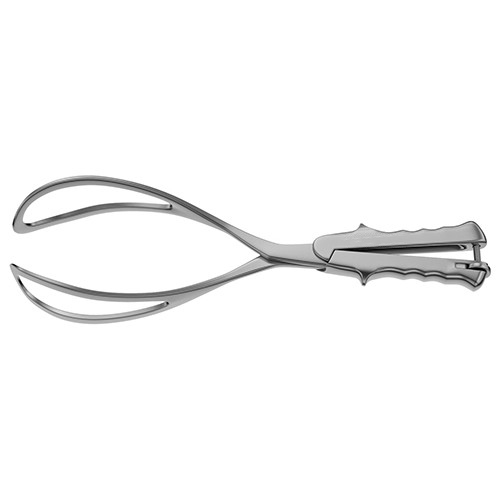
In emergencies, such as prolonged labour, fetal distress, or maternal exhaustion, doctors may use forceps (curved, tong-like instruments) or a vacuum extractor (a suction cup device) to help deliver the baby. While these tools can be life-saving when used correctly, misuse or excessive force can cause severe trauma to the newborn.
Common Birth Injuries: What Parents Should Know
Nerve Damage
Forceps pressure on a baby’s head can damage facial or cranial nerves. This may lead to temporary paralysis, drooping facial muscles, or long-term neurological issues.
Skull Fractures and Brain Bleeds
Vacuum extractors, especially when improperly applied or used too long, can cause cephalohematomas (bleeding under the scalp), retinal hemorrhages, or even subdural and subarachnoid brain bleeds. Severe cases can result in lifelong disabilities.
Brachial Plexus Injuries
Excessive pulling during assisted delivery can damage the network of nerves controlling the baby’s shoulders and arms. This may result in Erb’s palsy, where a child loses strength and mobility in one arm.
Oxygen Deprivation and Cerebral Palsy
When a difficult assisted delivery delays the birth process, oxygen supply to the baby may be reduced. Even short periods of oxygen deprivation can lead to hypoxic-ischemic encephalopathy (HIE) and permanent conditions such as cerebral palsy.
Long-Term Consequences for Children
Birth injuries from forceps or vacuum delivery are not always immediately visible. Some children may face challenges that emerge over months or years, including:
- Delayed developmental milestones
- Seizures or neurological complications
- Ongoing motor function or speech difficulties
- Lifelong need for physical, occupational, or speech therapy
These challenges often create immense emotional and financial strain on families.
Canadian Context: Why This Matters
Canada has high rates of complications from assisted deliveries, especially operative vaginal deliveries involving forceps or vacuum extractors, which pose significant risks to both mothers and their babies.
- Serious neonatal injuries are more common than often recognized. In Canada, among attempted forceps or vacuum deliveries, severe neonatal trauma occurs in approximately 1 in 105 births (or 9.6 per 1,000 infants). These injuries can include brachial plexus trauma and, in the most extreme cases, neonatal death.
- About 2.9% of deliveries in Canada involve forceps, and 8.4% involve vacuum extraction CMAJ.
- While data on costs is less readily published, care for infants with lasting trauma can amount to lifetime medical and support needs that run into the millions, as seen in severe birth injury settlements abroad Birth Injury Guide.
Legal Support: Your Rights as a Parent
When a birth injury results from negligence — such as improper use of forceps, delayed intervention, or failure to obtain informed consent — families have the right to pursue legal action. At Neinstein Personal Injury Lawyers, our birth injury lawyers are experienced in handling complex cases involving assisted delivery injuries.
We help families by:
- Investigating hospital records and labour timelines
- Consulting expert obstetricians and neurologists
- Proving where the standard of care was breached
- Securing compensation for medical expenses, therapies, and lifelong care
What Parents Should Do Next
- Understand the risks — Discuss potential delivery interventions with your healthcare provider before labour.
- Look for warning signs — Scalp swelling, unusual crying, weakness in one arm, or difficulty feeding may all signal birth trauma.
- Seek immediate medical follow-up — Early diagnosis and therapy can improve long-term outcomes.
- Get legal advice quickly — A Personal Injury Lawyer Toronto or team of birth injury lawyers can review your case and advise if negligence may have been a factor.
Empowering Parents with Knowledge and Legal Guidance
Forceps and vacuum deliveries carry serious risks for newborns. While sometimes necessary, improper use can leave a child with lifelong challenges. Parents deserve clear information, strong medical care, and — when mistakes happen — the full protection of Canada’s legal system.
If you believe your baby suffered an injury during an assisted delivery, don’t hesitate to contact experienced birth injury lawyers or a Personal Injury Lawyer in Toronto. The right legal team can help you secure financial support, hold medical providers accountable, and ensure your child has the resources they need for a brighter future.