May 15, 2026 in News Legal News
Legal News: Injured in a Boating Accident Over May Long Weekend in Ontario? Here’s What to Do Next
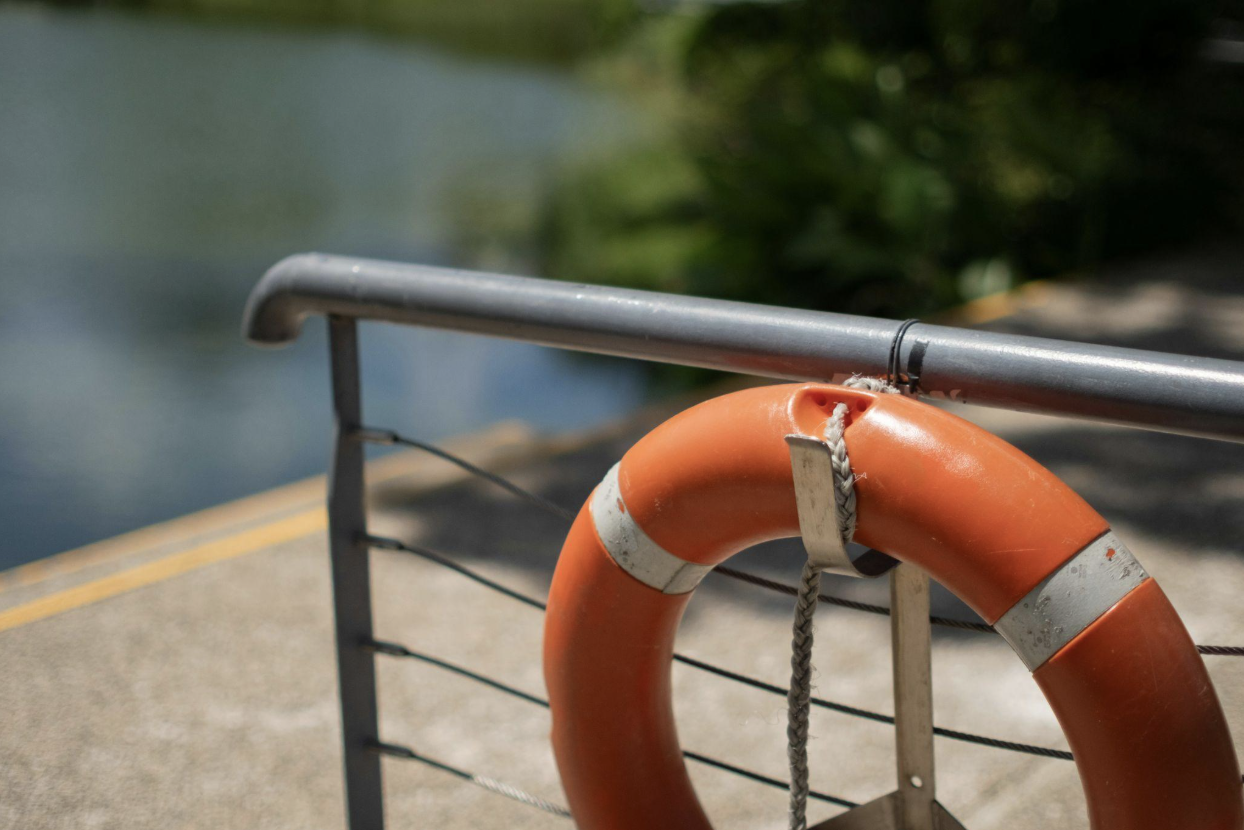
The Victoria Day long weekend serves as the unofficial launch of the boating season in Ontario. However, as of May 2026, it remains one of the most dangerous periods on provincial waterways. A combination of heavy vessel traffic, alcohol consumption, and dangerously cold early-season water temperatures creates a high-risk environment for recreational boaters.
If you or a loved one are injured on the water, the path to recovery involves navigating a complex intersection of provincial regulations, federal maritime law, and personal injury claims. Whether you are searching for a personal injury lawyer Toronto or simply trying to understand your immediate legal obligations, this comprehensive guide outlines the critical steps you must take following a boating accident in Ontario.
What is the First Thing to Do After a Boating Accident?
Immediate physical safety and medical assessment must be your top priorities following a collision. The first 60 minutes after an incident are critical for both survival and the preservation of future legal claims.
- Ensure Immediate Safety: Assess all passengers for signs of physical trauma, shock, or hypothermia. In May, Ontario lake temperatures typically hover between 4°C and 10°C. According to the Lifesaving Society Ontario, "Cold Water Shock" can occur in seconds, leading to involuntary gasping and cardiac arrest even for strong swimmers.
- Signal for Help: Use VHF Channel 16, marine flares, or a whistle to alert nearby vessels.
- Seek Medical Attention Immediately: You must seek professional medical care even if injuries appear minor. Secondary drowning (fluid in the lungs) or internal trauma can manifest hours later.
As a marine safety consultant noted in early 2026: "The May long weekend is a high-risk window because boaters often lack 'sea legs' after a long winter, and the deceptive warmth of the sun masks the lethal temperature of the water. If you are injured, the priority is medical documentation; without it, proving the accident caused your long-term pain becomes a significant legal hurdle."
How to Report a Boating Accident in Ontario
In Ontario, boating accidents may need to be reported under the Canada Shipping Act and the Small Vessel Regulations if certain thresholds are met. The operator of a pleasure craft must report the accident to local police or the Ontario Provincial Police (OPP) (call 911 or *OPP on a mobile phone) if the incident involves:
- a death or missing person presumed dead;
- an injury requiring admission to a hospital; or
- property damage exceeding $5,000 resulting from a fire, explosion, or collision with another vessel or structure.
In less serious cases, including injuries requiring medical treatment beyond first aid but not hospital admission, or property damage exceeding $2,500, the operator must submit an accident report to the Minister within 14 days.
Serious incidents must also be reported to Transport Canada's Office of Boating Safety.
What Evidence Should You Preserve at the Scene?
Boating accidents present unique investigative challenges because the "crime scene" is fluid—evidence can literally drift away or sink. To build a strong foundation for a future claim, gather the following evidence if it is safe to do so:
- Document the Scene: Take extensive photos and videos of the damage to all vessels, the water conditions, the position of the sun, and any visible hazards like unmarked rocks.
- Identify Witnesses: Collect the names and contact information of passengers on all involved boats, as well as any witnesses observing from the shoreline.
- Record Vessel Details: Note the Hull Identification Numbers (HIN) and insurance policy details of all operators involved.
- Observe Operator Behaviour: Document if the other operator appeared impaired, was speeding, or failed to follow navigational "Right of Way" rules. Notably, Transport Canada reports that alcohol or drug impairment continues to be a factor in approximately 40% of all recreational boating fatalities in Ontario.
Understanding Boating Insurance and the Marine Liability Act
Navigating insurance and liability after a marine accident is vastly different from a standard motor vehicle accident.
Unlike auto accidents, which are governed by the Ontario Insurance Act and its "no-fault" statutory accident benefits, boating accidents fall under the federal Marine Liability Act (MLA).
To recover damages under the MLA, the victim must prove that the boat operator was negligent (e.g., operating under the influence, improper lookout, or speeding). Furthermore, the MLA sets specific caps on the amount of compensation available for personal injury or property damage based on the vessel's size and type.
Insurance coverage can also be complex. According to 2026 guidelines from the Insurance Bureau of Canada (IBC), many recreational boaters are covered through extensions of their homeowners' policies, while others carry dedicated marine insurance. These policies often contain complex exclusions regarding uninsured boaters or specific water sports.
When to Consult a Personal Injury Lawyer
Because boating litigation requires a deep understanding of federal maritime law, it is highly recommended to consult a specialized personal injury lawyer rather than attempting to settle with an insurance adjuster on your own. As legal analysts frequently note, boating litigation is not simply "car law on water."
If you suffer a severe injury, Neinstein, specialized in catastrophic injury and complex negligence claims, can help you navigate the following challenges:
- Determining Jurisdiction: Establishing whether provincial negligence laws or federal maritime laws take precedence in your specific case.
- Calculating Damages: Accurately assessing long-term costs, including future medical care, loss of competitive advantage in the workplace, and non-pecuniary general damages.
- Statutes of Limitations: Ensuring all claims are filed on time. While the standard Ontario limitation period is two years, maritime law can sometimes impose stricter notice periods depending on the entities involved.
Unlike hiring a lawyer for auto accident claims where no-fault benefits are immediately available, a boating accident requires your legal team to immediately begin proving fault and liability to secure your financial compensation for your recovery.
Best Practice: Your Post-Accident Timeline
If you are involved in a marine collision over the long weekend, follow this structured timeline to maximize the potential to protect your health and legal rights:
Action |
Responsibility |
Timeline |
Medical Assessment |
Visit the ER or an Urgent Care clinic |
Within 24 hours |
Police Report |
Contact the OPP or local marine police |
Immediately or as soon as reasonably possible |
Evidence Gathering |
Collect photos, witness info, and vessel IDs |
At the scene |
Insurance Notice |
Notify your own insurance provider |
Within 7 days |
Legal Consultation |
Speak with an accident lawyer |
Before signing any insurance waivers |
Conclusion
A boating accident over the May long weekend can turn a celebratory start to the summer into a life-altering event. By prioritizing immediate medical care, preserving evidence, and understanding the unique federal laws that govern Ontario's waterways, you can protect your right to fair compensation. If you are facing a complex recovery, reaching out to an experienced personal injury lawyer ensures that your case is handled with the specialized expertise it requires.

Category Selector
Select a category relevant to you.
- Social Host Liability
- Tort
- Spinal Injury
- Road Safety
- Slip and Fall Claims
- Snowmobile Accident
- Product Liability
- Rail Accidents
- Recalls
- News
- Nursing Home Negligence
- Personal Injury
- Physical and Psychological Injuries
- Negligent Supervision
- Neinstein in the Community
- Medical Malpractice
- Motorcycle Accidents
- Long Term Disability
- Chronic Pain
- COVID-19
- Dog Bites Claims
- Events
- General
- Homeowner Liability
- JUUL & Vaping
- JUUL Vaping Lawsuit
- Lawyer Profile
- Legal News
- Legal Representation
- Liability
- Long-term Care
- Blogs
- Boating Accident
- Brain Injury
- Car Accident
- Accident Benefits Claims
- Auto Insurance
- Bicycle Accidents
- Water Accidents
- Wrongful Death
- In the Community
Area of Expertise
Boating accident
The summer is a great time to enjoy the open waters of the lake on a boat. While many people enjoy a good time on the water, the dangers of impaired boating are real. When people on another boat become intoxicated and cause accidents, which can vary from damage to the boat to the serious injury or even death of a passenger, they are liable for the damage they cause. If a boating accident left you or a loved one seriously injured and it was caused by another person or a mechanical issue with the boat itself, contact a boating accident lawyer at Neinstein LLP.
More Posts Legal SupportBook A Free Consultation
We will not charge you unless your case is successful.
At Neinstein we have been advocating for injured victims for over 55 years. Our committed and compassionate team will do everything necessary to help you and your family find solutions to the new challenges that arise from serious injuries.
Our team will ensure you access the proper healthcare support to aid in your recovery. While you focus on your rehabilitation, we will thoroughly investigate your case and guide you through the litigation process so we can achieve the maximum compensation that you deserve.