Jun 11, 2026 in News Legal News
Legal News: E-Scooter Accident Claims in Ontario: Can You Still Sue if the Scooter Was Being Used Illegally?
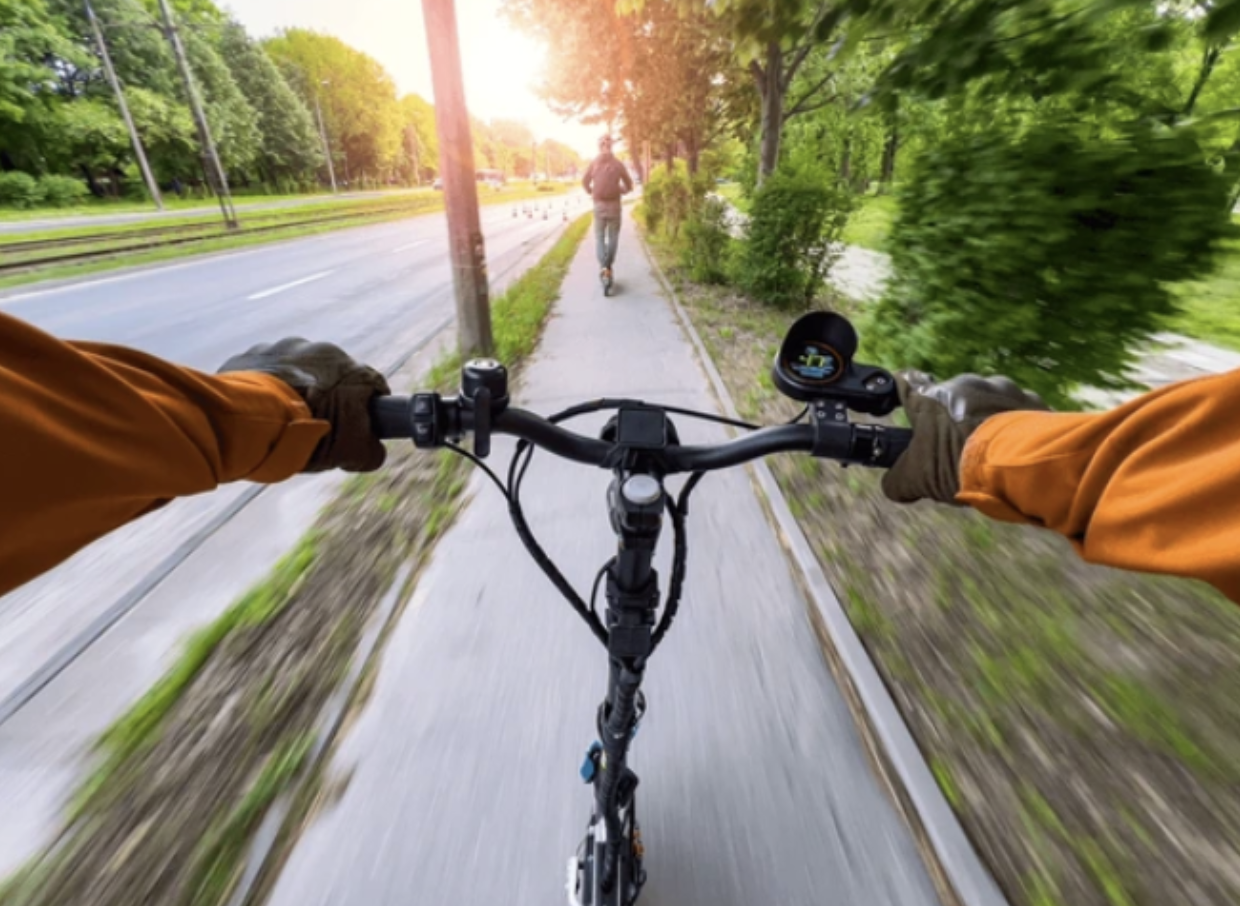
If you were injured in an e-scooter collision, you may be wondering whether you still have a case if the scooter was being used illegally. In Ontario, that is a real and increasingly important question. Municipalities can choose where e-scooters are permitted under the province’s electric kick-style scooter framework, which means the rules are not always the same from one city to another. A rider may be breaking a local rule, but that does not automatically mean an injured person loses the right to claim compensation.
That is because personal injury law is not decided only by whether a by-law or traffic rule was broken. The real questions are who acted negligently, whether that negligence caused the injury, and what losses followed. A rule violation can be important evidence, but it is not always the end of the analysis.
Why An Illegal E-Scooter Does Not Automatically Defeat A Claim
People often assume the law is simple here. If the scooter should not have been there, the case must be over. That is not how these claims usually work. In a civil claim, the court or insurer still has to look at how the collision happened and whether another party acted carelessly.
For example, a rider may have been travelling in a prohibited area, but a driver may still have failed to yield or opened a door into the rider’s path. A pedestrian may have been struck by someone riding too fast through a shared space. In both situations, the illegal use of the scooter matters, but it does not answer every liability question by itself.
That broader point fits neatly with Neinstein’s blog on contributory negligence for pedestrian accidents, which explains that fault is not always all or nothing. The principles reflected in the Ontario Negligence Act allow responsibility to be divided when more than one party has contributed to an accident.
What Courts and Insurers Usually Focus On
In most e-scooter injury cases, the key issue is not simply whether the device was legal in the abstract. It is how the accident occurred. Was the rider going too fast for the conditions? Were they distracted? Did they fail to yield? Did a motorist turn carelessly? Was visibility poor? Did someone ignore an obvious hazard?
Those facts usually matter far more than assumptions about who must be at fault based on the type of device involved. This is one reason e-scooter claims can become more complicated than they first appear. People often come away from the scene convinced the answer is obvious, only to realize later that the evidence points to shared responsibility.
That is also why these cases can overlap with broader injury principles discussed throughout Neinstein’s Legal News section. In its post on how fault is determined in Ontario car accidents, the firm makes a useful point that applies here as well: fault matters, but it does not decide every part of the case on its own. The same thinking carries over to e-scooter collisions, especially where there are multiple people involved and conflicting accounts of what happened.
Shared Fault Is Common In E-Scooter Cases
Many people assume that if the rider broke a local rule, compensation disappears. In reality, the claim may still be viable, although the damages could be reduced if the injured person also contributed to what happened.
That can apply in several directions. A pedestrian may have a claim against a reckless rider. A rider may still have a claim against a negligent driver even if the rider was not in the right place. A cyclist or another road user may also be part of the picture. These are not neat or theoretical scenarios. They are exactly the kinds of fact patterns that make personal injury files harder to assess without proper evidence.
It is also worth remembering that the legal treatment of electric devices is not always the same. Neinstein’s article on E-Bike Laws in Ontario is helpful because it shows how easy it is for people to assume every electric mobility device falls into one category. That misunderstanding can affect where people ride, what rules apply, and how liability is argued after a collision.
Evidence Usually Matters More Than the First Impression
The practical side of these claims often comes down to evidence. Photos of the scene, witness names, nearby video footage, damage to clothing or personal items, helmet damage, and medical records can all become important. If the scooter was part of a shared platform, app data, GPS records, timestamps, and ride logs may also matter.
This is where Neinstein’s post on what to do after a car accident in Ontario fits naturally into the conversation. One of the most useful takeaways from that article is that evidence is easiest to protect right away. Even though an e-scooter accident is not the same as a car crash, the same practical lesson applies. The longer someone waits, the easier it becomes for footage to disappear, witnesses to become harder to find, and symptoms to be challenged later.
That is especially important with injuries that do not always look serious at first. Concussions, soft tissue injuries, shoulder injuries, and back pain can take time to fully declare themselves. Prompt medical attention helps protect your health, but it also creates a clearer record of what followed the incident.
Can Compensation Still Be Available?
Yes, but it is circumstance dependent. If someone else’s negligence caused the collision, compensation may still be available even if the e-scooter wasn’t being used in accordance with the local rules. The case may involve pain and suffering, income loss, treatment costs, future care needs, and the broader effect of the injury on daily life. The exact path forward depends on whether the claim involves only the scooter and another person, or whether a motor vehicle and insurance issues are also part of the file. The presence of an illegal e-scooter may be important, but it does not automatically end the claim before it begins.
For someone dealing with a fracture, concussion, facial trauma, ongoing pain, or time away from work, the better question is not whether the scooter was legal. It is whether someone’s negligence caused the injury and whether the available evidence supports compensation. An experienced personal injury lawyer can help assess whether the case involves a negligent rider, a negligent driver, shared fault, or a more complicated combination of factors.
FAQs
Can I still sue after an e-scooter accident if the scooter was being used illegally?
Potentially, yes. Illegal use can be important evidence, but it does not automatically prevent a claim if someone else’s negligence caused the injury.
What if I was the person riding the e-scooter?
You may still have a claim. Even if you were breaking a local rule, another party may also have acted negligently and contributed to the collision.
What should I do after an e-scooter accident in Ontario?
Get medical attention, preserve photos and witness information, keep records of your symptoms, and act quickly to secure any video or digital evidence tied to the incident.
Category Selector
Select a category relevant to you.
- Social Host Liability
- Tort
- Spinal Injury
- Road Safety
- Slip and Fall Claims
- Snowmobile Accident
- Product Liability
- Rail Accidents
- Recalls
- News
- Nursing Home Negligence
- Personal Injury
- Physical and Psychological Injuries
- Negligent Supervision
- Neinstein in the Community
- Medical Malpractice
- Motorcycle Accidents
- Long Term Disability
- Chronic Pain
- COVID-19
- Dog Bites Claims
- Events
- General
- Homeowner Liability
- JUUL & Vaping
- JUUL Vaping Lawsuit
- Lawyer Profile
- Legal News
- Legal Representation
- Liability
- Long-term Care
- Blogs
- Boating Accident
- Brain Injury
- Car Accident
- Accident Benefits Claims
- Auto Insurance
- Bicycle Accidents
- Water Accidents
- Wrongful Death
- In the Community
Area of Expertise
Accident benefit dispute
Accident benefits, or "no-fault" benefits, are available to anyone involved in a car accident, regardless of who is responsible. At Neinstein LLP, we can help advance your accident benefit claim while providing you and your family with the guidance and resources necessary to focus on your recovery. Our accident benefits lawyers based in the Toronto region will act as your advocate and trusted advisor in all matters related to personal injury litigation.
More Posts Legal SupportBook A Free Consultation
We will not charge you unless your case is successful.
At Neinstein we have been advocating for injured victims for over 55 years. Our committed and compassionate team will do everything necessary to help you and your family find solutions to the new challenges that arise from serious injuries.
Our team will ensure you access the proper healthcare support to aid in your recovery. While you focus on your rehabilitation, we will thoroughly investigate your case and guide you through the litigation process so we can achieve the maximum compensation that you deserve.