May 24, 2026 in News Legal News
Legal News: How Dashcam Footage Can Strengthen Your Injury Claim
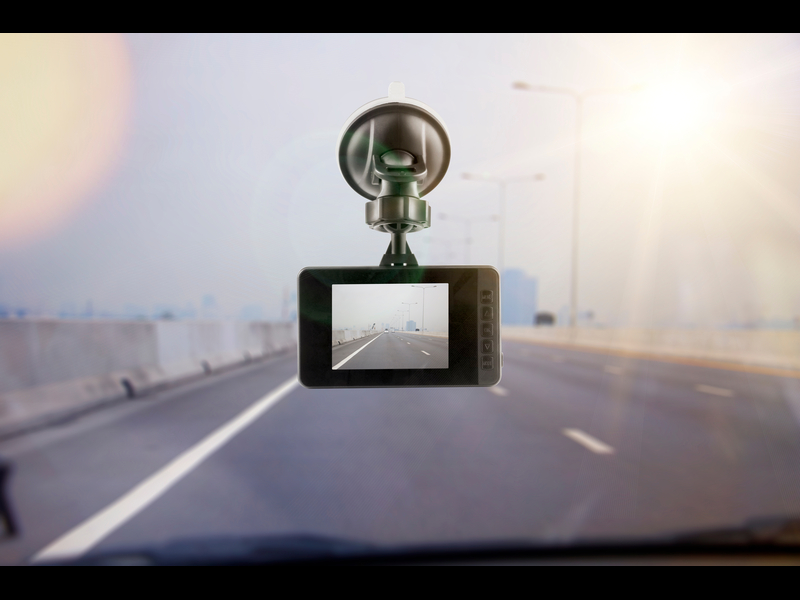
After a crash, the facts do not always stay clear for long. Drivers may give different accounts. Witnesses may only catch part of what happened. Insurance companies begin assessing fault quickly, often before the injured person has had time to understand the full medical and financial impact of the collision. In that environment, dashcam footage can become one of the most useful pieces of early evidence in a personal injury case.
A dashcam will not prove every part of an injury claim on its own, but it can provide something that is often hard to replace later: an objective record of the moments before impact, the collision itself, and the immediate aftermath. If the footage clearly shows lane position, signal changes, following distance, speed changes, or an unsafe turn, it may make it much harder for the other side to reshape the story after the fact.
Why Dashcam Footage Can Carry Real Weight
Many motor vehicle claims come down to competing versions of events. One driver says the light was green. The other says the turn was already in progress. Without independent evidence, the dispute can turn into a credibility contest. Dashcam footage can help cut through that by showing how the crash actually unfolded.
That matters because, as Neinstein explains in How Fault Is Determined in Ontario Car Accidents, insurers do not decide fault based on who argues most confidently at the roadside. They apply Ontario’s Fault Determination Rules within the broader claims process. One of the more useful points from Neinstein’s blog is that documentation at the scene matters, including photos, witness details, and dashcam footage where available. The stronger the record, the harder it is for the facts to drift later.
What Dashcam Footage Can Help Prove
In many cases, dashcam footage is most powerful because it helps answer the first major question in a claim: how did this happen? It may show that another driver ran a red light, changed lanes without enough space, rear-ended your vehicle, failed to yield, or entered an intersection when it was not safe to do so. It may also capture weather, traffic flow, and road positioning in a way that still photos cannot.
Just as importantly, dashcam video can help push back against unfair allegations. If the other side claims you were distracted, speeding, or partly to blame, clear footage may support your version of events before those allegations become embedded in the insurance file. For anyone pursuing a car accident claim, that kind of evidence can shape the direction of the case very early.
Why Footage Works Best With Medical Evidence
Even the clearest video usually proves only one part of the case. It may show the mechanics of the collision, but it does not show pain, missed work, treatment needs, or how the injury changes daily life. That is why the rest of the evidence still matters so much.
Neinstein makes this point well in How Medical Records Impact Personal Injury Claims. One of the most useful takeaways from that article is that medical records create the timeline insurers and courts look for when assessing causation. If the symptoms are documented early and treatment remains consistent, the claim usually has a much stronger foundation. Dashcam footage may help prove the crash, but medical records help prove what the crash actually caused.
Why Preserving the Original Footage Is So Important
One of the biggest mistakes people make is assuming the footage will still be there later. Many dashcams record on a loop, which means the relevant file can be overwritten if it is not saved quickly. In some cases, the most important evidence disappears not because it was weak, but because no one preserved it in time.
That fits neatly with the warning in Neinstein’s Waiting Too Long After an Accident? How Delays Can Impact Your Claim, which stresses that evidence can weaken long before a limitation period becomes the main issue. The same idea applies to video. If you have dashcam footage, save the original file, keep the full sequence rather than a clipped excerpt, and avoid editing or posting it publicly before getting legal advice.
How Dashcam Footage Can Help with the Insurance Side
A serious collision claim is not just about a lawsuit. There is also the insurance process, and early reporting still matters. According to the FSRA guide on the claims process after an accident, the insurer will determine fault after the accident is reported, and drivers can be found anywhere from zero to 100 percent at fault. FSRA also notes that these rules can assign shared fault in some cases. Dashcam footage can help make that early reporting more accurate and give your legal team a clearer starting point.
At the same time, video is only one part of the file. If accident benefits become delayed, disputed, or reduced, you may also need guidance on the insurance side of the claim itself. In those situations, speaking with an accident benefit dispute lawyer may be just as important as proving who caused the collision.
When Dashcam Footage May Be Less Decisive
Not every recording becomes the centrepiece of a case. Some videos are blurry, too short, badly angled, or incomplete. Others confirm that a collision happened but do not say much about the seriousness of the injuries. That does not make the footage useless. It just means it has to be assessed properly and used in context.
A strong injury claim is rarely built on one dramatic piece of evidence alone. It is built on how the evidence fits together. Video, medical records, witness details, treatment history, and timely reporting all matter more when they support each other.
Why Legal Advice Still Matters Even When the Crash Is On Video
People sometimes assume that if the collision was recorded, the case should be simple. Unfortunately, insurers may still dispute the extent of the injuries, the need for ongoing care, or the losses being claimed. Video can strengthen a file, but it does not replace strategy.
If you have been hurt in a collision and believe dashcam footage may help prove what happened, speaking with personal injury lawyers can help you preserve that evidence, avoid early mistakes, and build a claim that reflects the full impact of the crash.
FAQs
Can dashcam footage help prove fault after a collision?
Yes. If the footage clearly captures the lead-up to the crash and the impact itself, it may help clarify how the collision happened and challenge an inaccurate version of events.
Should I save the whole recording or just the crash clip?
Save the full recording if possible. The moments before and after impact may contain details that become important later, especially where fault is disputed.
Is dashcam footage enough on its own for an injury claim?
Usually not. It can be very helpful for proving how the crash happened, but medical records, treatment history, and other evidence are still needed to prove the extent of the injuries and losses.

Category Selector
Select a category relevant to you.
- Social Host Liability
- Tort
- Spinal Injury
- Road Safety
- Slip and Fall Claims
- Snowmobile Accident
- Product Liability
- Rail Accidents
- Recalls
- News
- Nursing Home Negligence
- Personal Injury
- Physical and Psychological Injuries
- Negligent Supervision
- Neinstein in the Community
- Medical Malpractice
- Motorcycle Accidents
- Long Term Disability
- Chronic Pain
- COVID-19
- Dog Bites Claims
- Events
- General
- Homeowner Liability
- JUUL & Vaping
- JUUL Vaping Lawsuit
- Lawyer Profile
- Legal News
- Legal Representation
- Liability
- Long-term Care
- Blogs
- Boating Accident
- Brain Injury
- Car Accident
- Accident Benefits Claims
- Auto Insurance
- Bicycle Accidents
- Water Accidents
- Wrongful Death
- In the Community
Area of Expertise
Accident benefit dispute
Accident benefits, or "no-fault" benefits, are available to anyone involved in a car accident, regardless of who is responsible. At Neinstein LLP, we can help advance your accident benefit claim while providing you and your family with the guidance and resources necessary to focus on your recovery. Our accident benefits lawyers based in the Toronto region will act as your advocate and trusted advisor in all matters related to personal injury litigation.
More Posts Legal SupportBook A Free Consultation
We will not charge you unless your case is successful.
At Neinstein we have been advocating for injured victims for over 55 years. Our committed and compassionate team will do everything necessary to help you and your family find solutions to the new challenges that arise from serious injuries.
Our team will ensure you access the proper healthcare support to aid in your recovery. While you focus on your rehabilitation, we will thoroughly investigate your case and guide you through the litigation process so we can achieve the maximum compensation that you deserve.