Mar 23, 2026 in News Legal News
Legal News: How to Prove Negligence in a Slip and Fall Claim
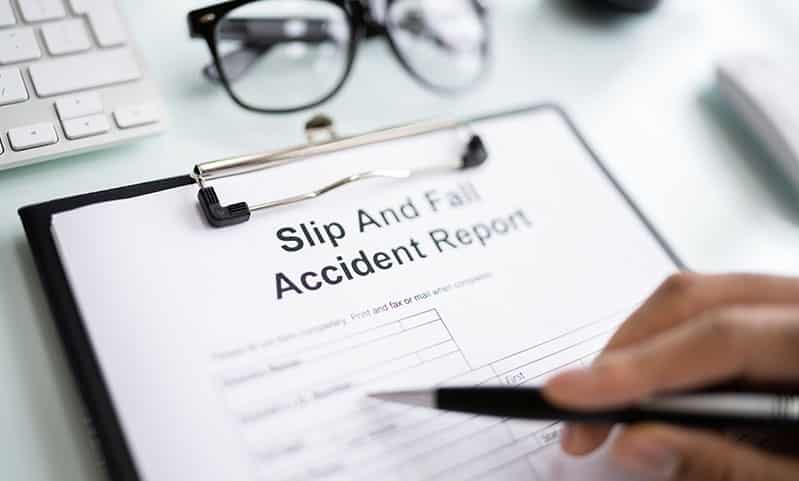
A slip and fall claim is not successful just because someone was hurt on another person’s property. In Ontario, the real issue is whether the occupier failed to take reasonable care to keep the premises reasonably safe. That is the standard set out in the Occupiers’ Liability Act, and it is what turns a bad fall into a legal claim instead of an unfortunate accident.
In practical terms, that means proving more than the fact that you fell. You need evidence showing what the hazard was, why it should have been addressed, and how it caused your injuries. That is where many otherwise valid claims become difficult. A puddle gets cleaned, ice melts, a torn mat is replaced, or a property owner says there was no problem at all. Proving negligence usually comes down to how quickly the evidence was preserved and how clearly the facts show that reasonable care was not taken.
The fall itself is not enough
One of the biggest misconceptions in slip and fall cases is that injury automatically means liability. It does not. Ontario law does not require perfection from property owners, landlords, stores, restaurants, or municipalities. What it requires is reasonable care in the circumstances. So the real question is usually not whether someone fell, but what should have been done to prevent it and whether that was done.
That might involve a spill left sitting too long in a grocery aisle, a poorly lit stairwell, an uneven walkway, or an icy entrance that was not properly maintained. In each of those situations, the claim gets stronger when the evidence shows the condition was not just present, but unreasonably dangerous. This is one reason Neinstein’s post on What to Do Immediately After a Slip and Fall Accident? puts so much emphasis on early photos, incident reporting, and prompt medical attention. Those first steps often become the foundation of the negligence case later.
You need to show what the hazard actually was
Strong slip and fall claims are usually built on practical evidence, not dramatic evidence. Photographs of the exact area matter. So do video, witness names, footwear, weather conditions, lighting, warning signs, and the general layout of the location. If the hazard was ice or snow, details such as black ice, slush buildup, lack of salt, or melt-and-freeze patterns can all become important. If it was indoors, the same logic applies to spills, loose rugs, broken flooring, or debris in a walkway.
This is where Neinstein’s post on Ontario’s 60-Day Slip and Fall Notice Rule: What to Do Next is especially useful. One of the key takeaways from that article is that evidence of negligence often starts with the scene itself. That post reinforces how photos, weather details, and witness information can help show not just that a fall happened, but why it happened. That distinction matters because defendants often admit the fall occurred while still denying that anything negligent caused it.
Negligence often turns on notice
In many cases, proving negligence means showing that the occupier knew about the danger or should have known about it and dealt with it. Sometimes that is obvious. A hazard may have been reported earlier, visible for a long time, or part of a recurring maintenance problem. In other cases, the proof is more indirect. Missing inspection logs, poor cleaning practices, inconsistent snow removal, or a lack of warning signs can all help show that reasonable care was not taken.
That is why records can matter so much. Maintenance schedules, cleaning logs, contractor arrangements, surveillance footage, and internal incident reports may all help show whether the condition existed long enough that someone should have responded. Once those records are gone, the case often becomes harder than it needed to be. An injury lawyer can help move quickly to preserve that evidence before the defence has a chance to shape the story on its own.
You still have to prove that the negligence caused the injury
Even if a hazard was present and the occupier was careless, there is still another step. You have to show that the negligence actually caused the injury. That sounds simple, but it often becomes one of the most disputed parts of the case. The defence may argue that the condition was minor, that your injuries were pre-existing, or that the fall happened differently than you described.
Medical records matter here just as much as scene evidence. A clear timeline between the fall, the first symptoms, the first treatment, and the ongoing limitations helps connect the negligence to the damage. When that record is delayed or inconsistent, the case can become less about what the occupier failed to do and more about whether the injury can still be traced back to the incident with confidence. That is another reason the advice in What to Do Immediately After a Slip and Fall Accident? is so important. Prompt treatment does not just support recovery. It also supports causation.
Expect the defence to raise contributory negligence
Slip and fall defendants often argue that the injured person is partly to blame. They may point to footwear, distraction, alcohol use, route choice, or the claim that the danger was obvious and should have been avoided. In some cases, that argument does affect the outcome. Courts can reduce damages if the injured person also failed to take reasonable care.
That does not mean contributory negligence defeats every claim. It means the details matter. Even where the defence raises those arguments, the core question remains whether the occupier met the required standard of care. If the injuries are serious and liability is being contested, working with a serious injury lawyer can help ensure the evidence is developed properly before those arguments gain momentum.
Winter claims bring added pressure
If the fall involves snow or ice, proving negligence is only part of the issue. Preserving the right to bring the claim can also depend on meeting short notice deadlines. Ontario’s amendments to the Occupiers’ Liability Act created a 60-day written notice requirement for certain snow and ice claims, while the Municipal Act, 2001 can impose a 10-day notice requirement for certain municipal claims.
That is why Neinstein’s post on Sidewalk Snow & Ice Claims: Ontario’s Short Notice Rules is worth reading alongside any discussion about negligence. One of the most practical points in that article is that evidence disappears quickly and technical deadlines arrive much sooner than most people expect. If your injuries are significant, speaking with a personal injury lawyer Toronto families trust can help protect both the evidence and the timeline before either one slips away.
FAQs
What do I need to prove in a slip and fall negligence claim?
You generally need to show that there was a dangerous condition, that the occupier failed to take reasonable care, and that this failure caused your injuries. Neinstein’s post on What to Do Immediately After a Slip and Fall Accident? explains why early evidence and medical documentation are so important to building that chain.
Is taking photos really that important after a fall?
Yes. Photos can show the exact condition before it changes, which can be critical in proving negligence. As discussed in Ontario’s 60-Day Slip and Fall Notice Rule: What to Do Next, the scene itself often provides the strongest early evidence in these cases.
Can I still have a claim if the property owner says they did not know about the hazard?
Possibly, yes. A claim can still succeed if the evidence shows they should have known about it and failed to act reasonably. Speaking with a personal injury lawyer early can help determine whether maintenance failures, inspection gaps, or missing warnings support the claim.
What if the defence says the fall was partly my fault?
That does not automatically defeat the claim. It may become an issue of shared responsibility, but the occupier may still be negligent. An experienced injury lawyer can help assess how that argument may affect liability and damages.
Do snow and ice claims have different rules in Ontario?
Yes. Some snow and ice cases involve very short notice deadlines, which is why Neinstein’s post on Sidewalk Snow & Ice Claims: Ontario’s Short Notice Rules is important to review as early as possible.

Category Selector
Select a category relevant to you.
- Social Host Liability
- Tort
- Spinal Injury
- Road Safety
- Slip and Fall Claims
- Snowmobile Accident
- Product Liability
- Rail Accidents
- Recalls
- News
- Nursing Home Negligence
- Personal Injury
- Physical and Psychological Injuries
- Negligent Supervision
- Neinstein in the Community
- Medical Malpractice
- Motorcycle Accidents
- Long Term Disability
- Chronic Pain
- COVID-19
- Dog Bites Claims
- Events
- General
- Homeowner Liability
- JUUL & Vaping
- JUUL Vaping Lawsuit
- Lawyer Profile
- Legal News
- Legal Representation
- Liability
- Long-term Care
- Blogs
- Boating Accident
- Brain Injury
- Car Accident
- Accident Benefits Claims
- Auto Insurance
- Bicycle Accidents
- Water Accidents
- Wrongful Death
- In the Community
Area of Expertise
Slip and fall
If you slip or trip and fall you may experience serious injuries, which can require you to take time off work, or may even require you to have surgery. In this scenario, contact a Neinstein slip and fall lawyer for experience you can trust. Our Toronto personal injury lawyers realize that it's important to feel safe when you're walking to your destination. If you are unsure of what to do after a slip and fall accident, it's important to contact one of our lawyers for assistance if you've been hurt in an incident.
More Posts Legal SupportBook A Free Consultation
We will not charge you unless your case is successful.
At Neinstein we have been advocating for injured victims for over 55 years. Our committed and compassionate team will do everything necessary to help you and your family find solutions to the new challenges that arise from serious injuries.
Our team will ensure you access the proper healthcare support to aid in your recovery. While you focus on your rehabilitation, we will thoroughly investigate your case and guide you through the litigation process so we can achieve the maximum compensation that you deserve.