Apr 22, 2026 in News Legal News
Legal News: Motorcycle Accidents in Ontario: Why Injuries Are Often More Severe
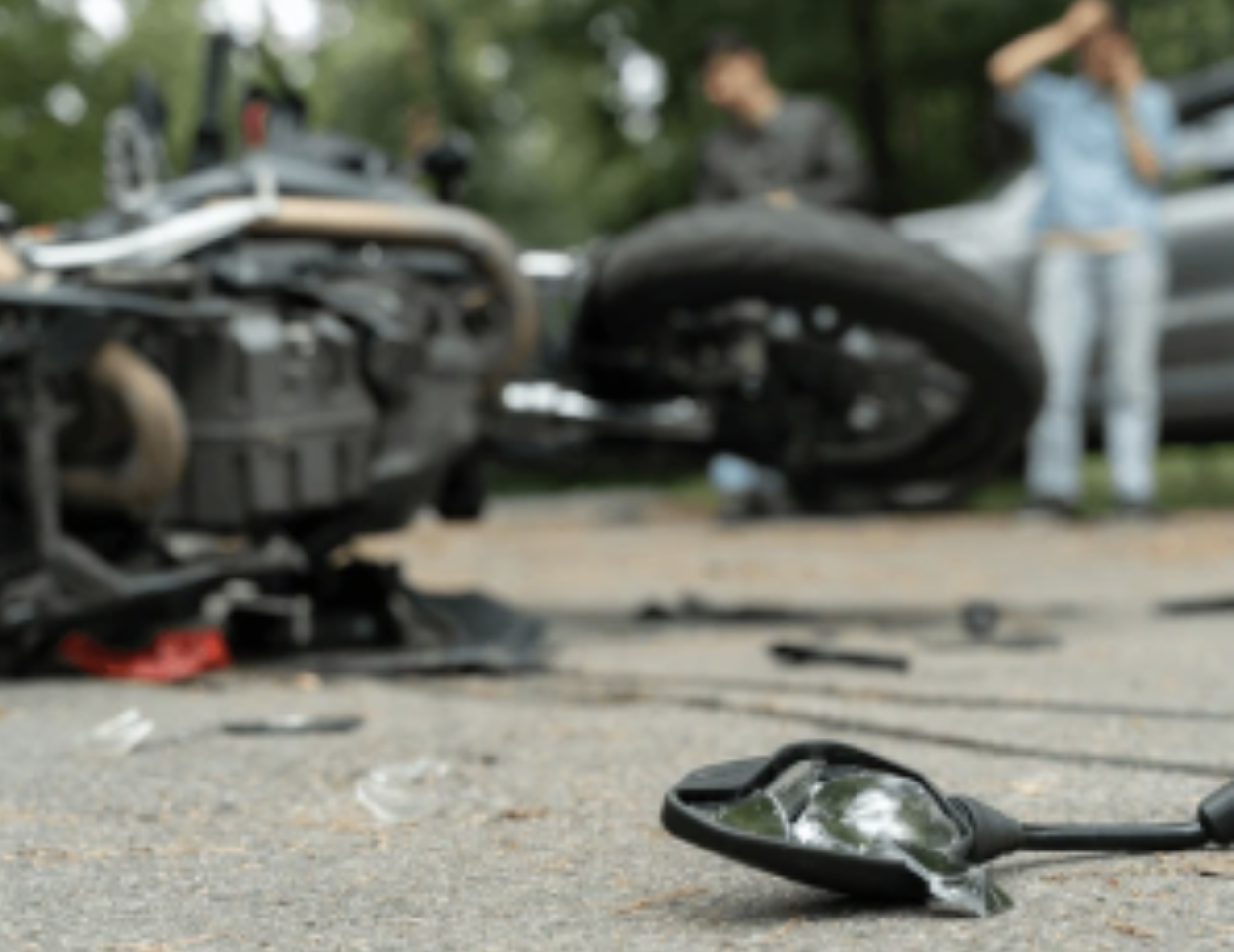
Motorcycle crashes often leave people with life-changing injuries in a way that many other road accidents do not. Even when two collisions happen at similar speeds, the rider usually faces a very different level of physical risk than someone inside a passenger vehicle. That is because a motorcycle offers far less protection in the first place. There is no steel frame around the rider, no seatbelt, and no airbag system to absorb force in the same way. As Neinstein notes on its motorcycle accident lawyers page, riders are more susceptible to catastrophic harm because motorcycles lack the basic protective features found in most cars.
That vulnerability is reflected in Canadian road safety data. According to Transport Canada’s road safety statistics, motorcycles represent a small share of vehicles on the road but account for a disproportionately high share of road fatalities and serious injuries. Those numbers help explain why motorcycle accident claims often involve more significant medical treatment, longer recovery periods, and more serious long-term consequences than many other motor vehicle cases.
Why Riders Face Greater Physical Risk in a Collision
The most obvious reason motorcycle injuries are often more severe is exposure. In a car, the body is partially protected from direct force by the structure of the vehicle. On a motorcycle, the rider’s body takes far more of that force. Even with proper riding gear, a person may be thrown from the bike, pinned underneath it, or hit a second surface such as the road, a curb, another vehicle, or a fixed object.
That is why motorcycle crashes so often lead to fractures, head trauma, spinal injuries, road rash, internal injuries, and long-term orthopedic problems. The damage is not just about the first point of impact. It is also about what happens after control is lost. That is one reason so many serious motorcycle claims overlap with the work done by catastrophic injury lawyers, especially where the rider faces permanent impairment or a prolonged recovery.
Why Visibility Problems Make Motorcycle Accidents Even More Dangerous
Motorcyclists are not only less protected. They are also easier for other drivers to overlook. That problem comes up again and again in serious collision cases, especially at intersections. Ontario’s Motorcycle Handbook makes it clear that riders face unique risks on the road and that proper gear and defensive awareness matter because the stakes are so high.
Neinstein touches on this issue in its blog on Why Motorcycle Accidents Spike in Warm Weather, which points out that one of the most common collision scenarios involves a driver turning left or merging into the path of an oncoming rider. That is a useful point here because many of the worst motorcycle crashes are not caused by speed alone. They happen because another driver simply fails to see the rider in time, leaving almost no room to react.
When a motorcycle is struck in that kind of collision, the rider often absorbs the force directly. A side impact or sudden intrusion into the rider’s lane can turn into a devastating injury event in seconds. In a passenger vehicle, the same crash might still be serious, but there would usually be far more protection between the person and the impact.
Protective Gear Matters, But it Has Limits
Helmets, jackets, gloves, boots, and reinforced riding gear are extremely important. They can reduce the severity of some injuries and improve a rider’s chance of surviving a serious crash. Ontario law requires approved helmets, and the province’s Motorcycle Handbook specifically notes that helmets can help protect against serious head injury.
But gear has limits. It does not create a protective shell around the body. It cannot eliminate the danger of being thrown, crushed, or hit by a much larger vehicle. This distinction matters in injury claims because some people underestimate how severe a motorcycle injury can be simply because the rider was wearing proper gear. Good gear helps. It just does not change the fact that the rider remains exposed in a way a car occupant is not.
Why Recovery is Often Longer and More Complex
Motorcycle injuries are often more severe not just at the scene, but in the months that follow. Riders may face multiple surgeries, rehabilitation, chronic pain, reduced mobility, psychological trauma, and time away from work. In some cases, the injuries affect nearly every part of daily life, from walking and sleeping to driving, parenting, and returning to employment.
That is where Neinstein’s blog on Understanding Accident Benefits in Ontario 2026 becomes especially relevant. One of the most useful points in that article is that accident benefits are available regardless of fault. For a seriously injured rider, access to medical and rehabilitation benefits, income replacement, and other support can become critically important long before a lawsuit is resolved.
Why Early Evidence Matters in Motorcycle Cases
Because motorcycle crashes often involve severe injuries, the legal side of the case needs to be handled carefully from the start. Evidence can disappear quickly. Vehicle damage may be repaired or written off. Witnesses may forget important details. Footage from nearby cameras may be deleted. In a serious motorcycle case, those details can make a major difference when fault is disputed.
That is another reason Neinstein’s warm-weather motorcycle blog fits naturally into this discussion. It highlights how many motorcycle crashes involve complex visibility and intersection issues. Those cases often require a close look at exactly how the collision happened, what the driver should have seen, and whether the rider had any meaningful chance to avoid impact. Speaking with a personal injury lawyer Toronto riders can trust may help preserve important evidence before it is lost.
Why These Cases Need to be Taken Seriously From the Start
The reason motorcycle injuries are often more severe is not hard to understand. Riders are exposed. They are more vulnerable in a collision. They are easier for other drivers to miss. And even when they do everything right by wearing proper gear and riding carefully, they still face a level of physical risk far beyond that of someone inside a car.
If you or a loved one has been seriously hurt in a motorcycle crash, it is important to treat the situation as more than just another traffic accident. These cases often involve deeper medical, insurance, and long-term compensation issues from the very beginning. Speaking with motorcycle accident lawyers can help you understand the full impact of the injuries and the legal options available moving forward.
FAQs
Why are motorcycle injuries often worse than car accident injuries?
Motorcycle riders have far less physical protection than people inside passenger vehicles. That is why crashes involving motorcycles are more likely to result in serious or catastrophic injuries.
Does wearing a helmet prevent severe motorcycle injuries?
A helmet can reduce the risk of serious head injury, but it does not prevent other major injuries such as fractures, spinal trauma, internal injuries, or road rash.
Can motorcyclists still access accident benefits in Ontario?
Yes. As explained in Understanding Accident Benefits in Ontario 2026, accident benefits are available regardless of fault, which can be especially important after a serious motorcycle crash.
Should I get legal advice after a motorcycle accident even if fault seems obvious?
Yes. Motorcycle injury cases often involve serious damages, complex medical issues, and disputes about how the collision happened. Early legal advice can help protect evidence and clarify your options.
Category Selector
Select a category relevant to you.
- Social Host Liability
- Tort
- Spinal Injury
- Road Safety
- Slip and Fall Claims
- Snowmobile Accident
- Product Liability
- Rail Accidents
- Recalls
- News
- Nursing Home Negligence
- Personal Injury
- Physical and Psychological Injuries
- Negligent Supervision
- Neinstein in the Community
- Medical Malpractice
- Motorcycle Accidents
- Long Term Disability
- Chronic Pain
- COVID-19
- Dog Bites Claims
- Events
- General
- Homeowner Liability
- JUUL & Vaping
- JUUL Vaping Lawsuit
- Lawyer Profile
- Legal News
- Legal Representation
- Liability
- Long-term Care
- Blogs
- Boating Accident
- Brain Injury
- Car Accident
- Accident Benefits Claims
- Auto Insurance
- Bicycle Accidents
- Water Accidents
- Wrongful Death
- In the Community
Area of Expertise
Motorcycle accident
If you have been involved in a serious motorcycle accident, you should immediately seek legal guidance. Neinstein LLP has been litigating car accident injury claims for over 50 years, including those resulting from motorcycle accidents. We have the experience and resources to evaluate your case and help you understand whether you have the basis for a claim.
More Posts Legal SupportBook A Free Consultation
We will not charge you unless your case is successful.
At Neinstein we have been advocating for injured victims for over 55 years. Our committed and compassionate team will do everything necessary to help you and your family find solutions to the new challenges that arise from serious injuries.
Our team will ensure you access the proper healthcare support to aid in your recovery. While you focus on your rehabilitation, we will thoroughly investigate your case and guide you through the litigation process so we can achieve the maximum compensation that you deserve.