May 10, 2026 in News Legal News
Legal News: What Happens If You Are Partially at Fault in Ontario?
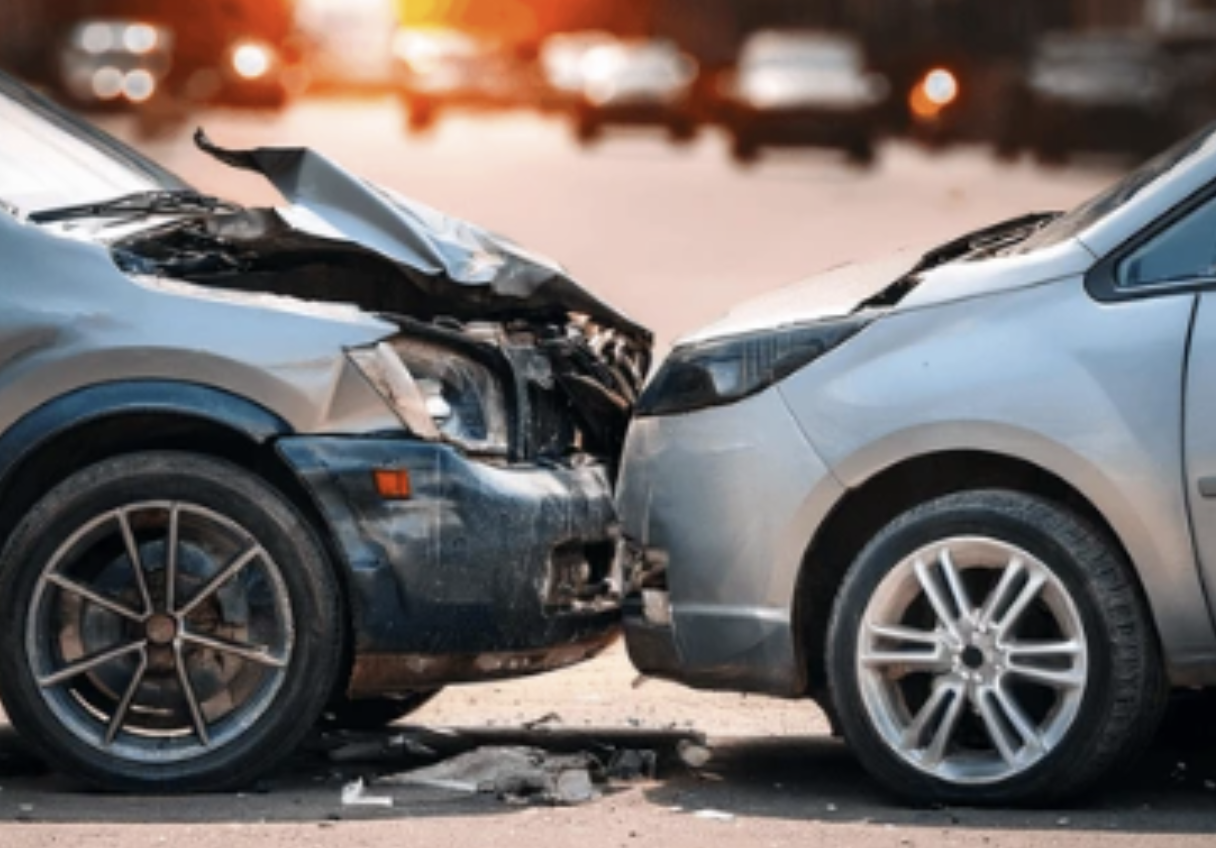
After a collision, one of the first questions people ask is who caused it. But in Ontario, the answer is not always simple. Many crashes involve shared responsibility, which means more than one driver may be found at fault. If you have been told you were partly to blame, that does not automatically mean you have lost your right to compensation. It also does not mean the insurance company’s first position is the final word.
Being partially at fault can affect how a claim is handled, but it does not erase the fact that you may have suffered real injuries, lost income, or ongoing disruption to your life. What matters is understanding how fault is assessed, how it affects different parts of a claim, and what steps you can take if the insurer’s position does not reflect what actually happened.
Why Partial Fault Does Not Automatically End an Injury Claim
Ontario insurers do not treat every collision as an all-or-nothing event. In many cases, fault is shared. As Neinstein explains in How Fault Is Determined in Ontario Car Accidents, insurers apply Ontario’s Fault Determination Rules to the specific accident scenario when deciding responsibility. That means both drivers can end up carrying a percentage of fault, depending on the facts.
This is an important point because people often assume partial fault means they no longer have a case. In reality, it usually means the legal analysis becomes more nuanced. A person can still pursue compensation even if they are found partly responsible, although the amount they recover may be reduced to reflect their share of fault. Ontario’s Negligence Act allows damages to be apportioned where more than one party contributed to the loss.
Insurance Fault and Legal Responsibility Are Not Always Identical
Another issue that causes confusion is the difference between insurance fault and legal fault. Many people assume that if a police officer issues a ticket, the matter is settled. It is not that straightforward. According to the FSRA guide on the claims process after an accident, being charged with an offence does not automatically mean you will be found at fault for insurance purposes. The insurer still has to assess the collision under the applicable rules.
That is one reason early evidence matters so much. Neinstein’s What to Do After a Car Accident in Ontario: A Step-by-Step Checklist makes a practical point that is especially relevant in shared-fault cases: do not admit fault at the scene, and document everything you can. Photos, witness names, road conditions, damage patterns, and dashcam footage can all become important later if the insurer’s version of the accident does not line up with reality.
You May Still Qualify for Accident Benefits
One of the most important things injured people should understand is that fault and accident benefits are not the same issue. Ontario’s no-fault system allows people to access certain benefits through their own insurer regardless of who caused the crash. That is why someone can still be partly at fault and still be entitled to support for treatment, rehabilitation, income replacement, or other benefits, depending on the circumstances.
This point often gets overlooked when people focus only on blame. But as Neinstein notes in its car accident checklist, accident benefits are meant to begin addressing immediate needs while the larger liability picture is still being sorted out. In other words, even if fault is disputed, your recovery and access to support should not be treated as an afterthought.
How Partial Fault Can Affect Compensation
Although partial fault does not prevent every claim, it can affect how much compensation is ultimately recovered. If a court finds that you were partly responsible for the accident, damages may be reduced in proportion to your share of fault. That is the basic principle behind contributory negligence in Ontario.
This is where the distinction between having a claim and maximizing a claim becomes important. You may still have a strong case, but the outcome can depend heavily on how fault is assigned and whether that assessment is fair. That is also why it is risky to accept an insurer’s conclusion too quickly, especially where the evidence is incomplete or the circumstances are more complicated than they first appear.
There can also be consequences on the insurance side. The FSRA guide on the claims process after an accident explains that if you are found at fault, that finding goes on your insurance record. If you are found 50 percent or more at fault, your premium may increase at renewal. That does not mean every shared-fault finding leads to the same result, but it does show why these decisions matter.
What To Do If the Insurer Says You Were Partly At Fault
If an insurer tells you that you were partially responsible, do not assume the matter is closed. Fault findings can and should be examined carefully. FSRA specifically says that if you believe the insurer made an error, you should ask the adjuster which Fault Determination Rule was applied. That is a useful first step because it forces the discussion back to the actual framework being used rather than vague impressions about the collision.
From there, the quality of the evidence becomes critical. This is where the advice in Neinstein’s What to Do After a Car Accident in Ontario: A Step-by-Step Checklist can make a real difference. Prompt reporting, medical attention, and preserved evidence do not just help support an injury claim. They also help challenge an inaccurate fault assessment if one develops later.
If the accident caused serious injuries, or if you believe the insurer has overstated your role in the collision, speaking with car accident lawyers can help you understand whether the fault finding should be disputed and how it may affect the broader claim.
Why Early Legal Advice Can Make a Real Difference
Shared-fault cases often turn on details that may not seem important at first. A lane change, a turn, a moment of braking, a weather condition, or a witness account can all shape how responsibility is divided. Once an insurer settles into a position, it can be difficult to shift the narrative without strong evidence and a clear legal strategy.
That is why early advice matters. If you have been injured and are being told you were partly to blame, it is worth getting a full picture before assuming you have no options. You may still be entitled to accident benefits. You may still have a viable tort claim. You may also have strong grounds to dispute how fault was assigned. Speaking with a personal injury lawyer Toronto clients trust can help you assess what parts of your case remain open and what should happen next.
FAQs
Can I still sue if I was partially at fault in Ontario?
Yes. Being partially at fault does not automatically prevent you from bringing a claim. It may reduce the amount of compensation you recover, but it does not necessarily eliminate your right to pursue damages.
Can both drivers be partially at fault for the same crash?
Yes. Under Ontario’s Fault Determination Rules, insurers can assign shared responsibility depending on the facts of the accident.
Do accident benefits stop if I was partly to blame?
No. Ontario’s no-fault system means you may still qualify for accident benefits through your own insurer even if you were partially responsible for the collision.
What should I do if I disagree with the insurer’s decision?
Ask the adjuster which rule was applied, review the available evidence carefully, and get legal advice if the decision does not seem to reflect what actually happened.
Category Selector
Select a category relevant to you.
- Social Host Liability
- Tort
- Spinal Injury
- Road Safety
- Slip and Fall Claims
- Snowmobile Accident
- Product Liability
- Rail Accidents
- Recalls
- News
- Nursing Home Negligence
- Personal Injury
- Physical and Psychological Injuries
- Negligent Supervision
- Neinstein in the Community
- Medical Malpractice
- Motorcycle Accidents
- Long Term Disability
- Chronic Pain
- COVID-19
- Dog Bites Claims
- Events
- General
- Homeowner Liability
- JUUL & Vaping
- JUUL Vaping Lawsuit
- Lawyer Profile
- Legal News
- Legal Representation
- Liability
- Long-term Care
- Blogs
- Boating Accident
- Brain Injury
- Car Accident
- Accident Benefits Claims
- Auto Insurance
- Bicycle Accidents
- Water Accidents
- Wrongful Death
- In the Community
Area of Expertise
Accident benefit dispute
Accident benefits, or "no-fault" benefits, are available to anyone involved in a car accident, regardless of who is responsible. At Neinstein LLP, we can help advance your accident benefit claim while providing you and your family with the guidance and resources necessary to focus on your recovery. Our accident benefits lawyers based in the Toronto region will act as your advocate and trusted advisor in all matters related to personal injury litigation.
More Posts Legal SupportBook A Free Consultation
We will not charge you unless your case is successful.
At Neinstein we have been advocating for injured victims for over 55 years. Our committed and compassionate team will do everything necessary to help you and your family find solutions to the new challenges that arise from serious injuries.
Our team will ensure you access the proper healthcare support to aid in your recovery. While you focus on your rehabilitation, we will thoroughly investigate your case and guide you through the litigation process so we can achieve the maximum compensation that you deserve.