May 11, 2026 in News Legal News
Legal News: Who Is at Fault in a Motorcycle Accident in Ontario?
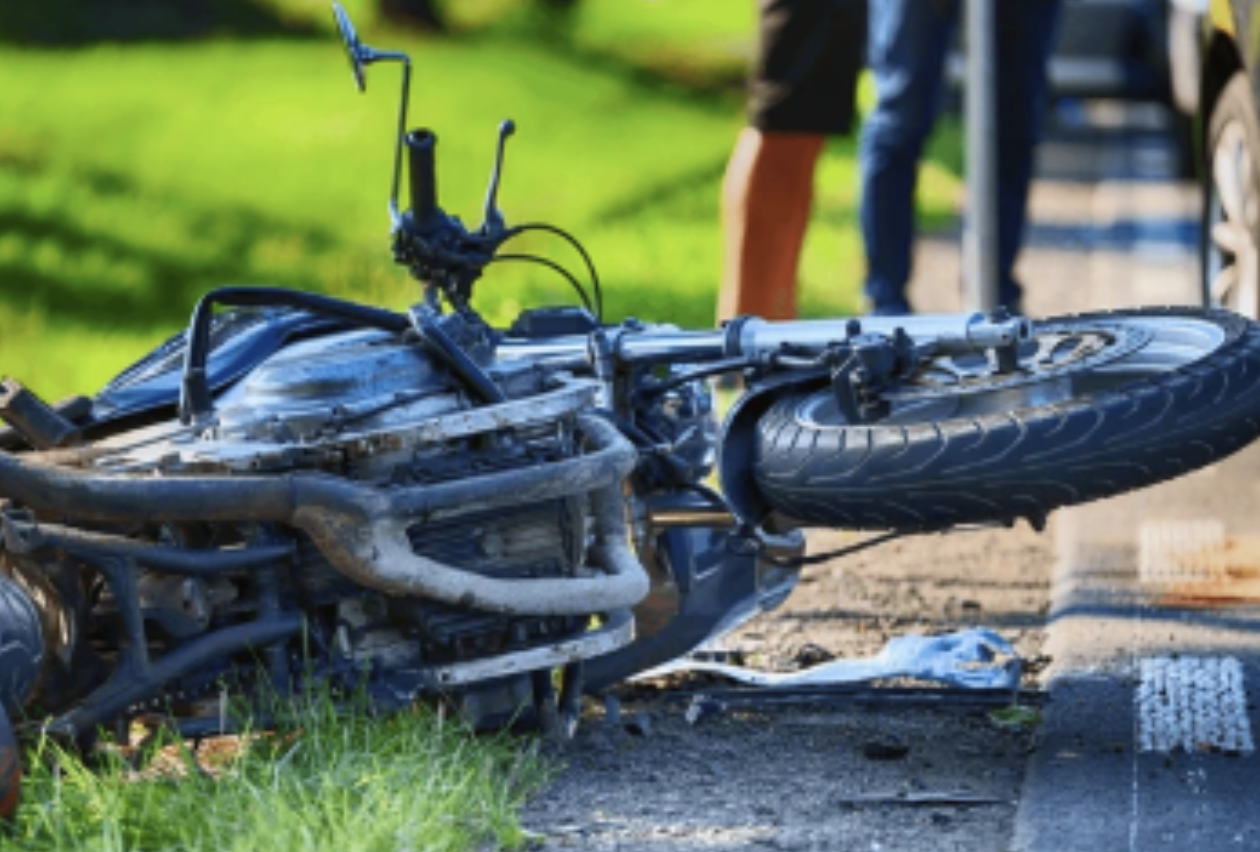
After a motorcycle crash, one of the first questions people ask is who caused it. That question can feel simple at the roadside, but it often becomes more complicated once insurers start reviewing the file. In Ontario, fault is not decided by whoever argues more convincingly at the scene. It is assessed through a formal insurance framework, and in some cases responsibility can be shared. That matters because a rider can be seriously injured even in a crash where fault is disputed or divided.
Why Fault Is Not Always Obvious in Motorcycle Cases
Motorcycle collisions often happen quickly and violently. A driver may say the rider was speeding. The rider may say the driver turned left without yielding. A witness may only see the impact itself and miss the seconds leading up to it. These cases can also be affected by the common problem Neinstein discusses in Why Motorcycle Accidents Spike in Warm Weather: riders are smaller, easier to miss, and often struck in situations where another motorist claims they never saw the bike at all.
That is one reason motorcycle fault disputes can become so contentious. The same crash may involve questions about right of way, lane position, visibility, speed, following distance, or whether one driver had enough time to react. Even when a rider suffers the worst injuries, the insurer may still examine whether any part of the collision can be attributed to the rider’s conduct.
How Ontario Insurers Determine Fault
As Neinstein explains in How Fault Is Determined in Ontario Car Accidents, insurers in Ontario do not invent their own fault analysis from scratch. They apply the province’s Fault Determination Rules, which are meant to create consistency across many different collision scenarios. Ontario’s FSRA guide on the claims process after an accident also explains that a driver can be found anywhere from zero to 100 percent at fault, depending on how the rules apply to the facts.
This is an important point for riders because a motorcycle crash is still evaluated within that broader Ontario framework. In other words, the fact that one vehicle is a motorcycle does not mean fault is assessed informally or emotionally. The insurer will still look at the type of collision, the positions of the vehicles, and the rule that best matches what happened.
Common Scenarios Where a Driver May Be at Fault
Many serious motorcycle cases involve a driver turning left across the rider’s path, changing lanes without enough room, merging unsafely, or rear-ending the motorcycle in traffic. Those are the kinds of situations where the rider may have had little or no realistic chance to avoid the collision. Neinstein’s warm-weather motorcycle blog makes a useful point here: a major issue in these crashes is visibility, especially when drivers fail to properly check for smaller vehicles before turning or crossing an intersection.
That does not mean every motorcycle case is automatically the driver’s fault. But it does mean that a motorist’s claim that they “didn’t see the motorcycle” is not necessarily a defence. If the driver should have seen the rider and failed to yield or change course safely, that can still point strongly toward driver negligence.
Can a Motorcyclist Be Found Partially at Fault?
Yes. In Ontario, fault is not always all or nothing. A rider can be found partially at fault if the evidence suggests they were speeding, following too closely, making an unsafe pass, changing lanes improperly, or contributing to the collision in some other way. As the FSRA guide on the claims process after an accident makes clear, fault can be apportioned anywhere from zero to 100 percent, which means shared responsibility is very much part of the system.
This is where evidence matters enormously. Skid marks, vehicle damage, witness statements, helmet cam or dashcam footage, and the roadway layout can all shape how the insurer applies the rules. In some cases, a rider who initially appears to be at fault may have a much stronger position once the full sequence of events is examined carefully.
A Traffic Charge Does Not Automatically Decide Fault
Another point many people do not realize is that a ticket does not automatically settle the insurance issue. According to the FSRA guide on the claims process after an accident, being charged with an offence does not necessarily mean you will be found at fault for insurance purposes. The reverse is also true. A person may avoid a charge and still be assigned fault under the insurance rules.
That distinction is especially important in motorcycle cases because early assumptions can be misleading. A rider may be accused of speeding simply because the injuries were severe, or a driver may assume the bike “came out of nowhere” when the real problem was a failure to look carefully before turning. The legal and insurance analysis should be driven by evidence, not by stereotypes about motorcycles.
What If Fault Is Disputed?
If the insurer says you were partly or fully at fault and you disagree, you should ask the claims adjuster which Fault Determination Rule was applied. That is a practical step because it forces the conversation back to the actual rule and whether it truly matches what happened. A vague statement that you were “probably going too fast” or “hard to see” is not the same thing as a proper analysis.
This is also where early legal advice can help. Neinstein notes in Understanding Accident Benefits in Ontario 2026 that early advice can help protect evidence, avoid missed deadlines, and challenge improper insurer decisions. In a disputed motorcycle case, that can make a meaningful difference, especially where serious injuries have already complicated the rider’s ability to gather evidence independently.
Why Fault Is Only One Part of the Picture
Fault matters, but it is not the only issue after a motorcycle crash. As Neinstein explains on its motorcycle accident lawyers page, riders often face catastrophic injuries, long recoveries, and difficult insurance issues after a collision. Even where fault is contested, the medical and financial consequences can be immediate and overwhelming.
That is why it is important not to assume that a fault dispute ends the case. Depending on the circumstances, a rider may still have access to no-fault accident benefits and may still have grounds to pursue compensation against another negligent party. If the crash has caused serious harm, speaking with a motorcycle accident lawyer Toronto riders can turn to may help clarify how fault is being assessed and what rights remain open.
FAQs
Can both the driver and the motorcyclist be at fault in Ontario?
Yes. Ontario’s system allows fault to be shared, and insurers can assign responsibility anywhere from zero to 100 percent depending on how the Fault Determination Rules apply to the facts.
If the driver says they did not see the motorcycle, are they still at fault?
They can be. Failing to see a motorcycle does not automatically excuse a driver if they should have seen the rider and yielded or changed lanes safely.
Does getting a traffic ticket mean I am automatically at fault?
No. As the FSRA guide on the claims process after an accident explains, a charge does not automatically decide fault for insurance purposes. The insurer still has to apply the proper rule to the accident.
What should I do if I disagree with the insurer’s fault decision?
Ask which Fault Determination Rule the adjuster applied and review the evidence carefully. If the injuries are serious or the analysis seems wrong, legal advice can help you challenge the decision effectively.
Category Selector
Select a category relevant to you.
- Social Host Liability
- Tort
- Spinal Injury
- Road Safety
- Slip and Fall Claims
- Snowmobile Accident
- Product Liability
- Rail Accidents
- Recalls
- News
- Nursing Home Negligence
- Personal Injury
- Physical and Psychological Injuries
- Negligent Supervision
- Neinstein in the Community
- Medical Malpractice
- Motorcycle Accidents
- Long Term Disability
- Chronic Pain
- COVID-19
- Dog Bites Claims
- Events
- General
- Homeowner Liability
- JUUL & Vaping
- JUUL Vaping Lawsuit
- Lawyer Profile
- Legal News
- Legal Representation
- Liability
- Long-term Care
- Blogs
- Boating Accident
- Brain Injury
- Car Accident
- Accident Benefits Claims
- Auto Insurance
- Bicycle Accidents
- Water Accidents
- Wrongful Death
- In the Community
Area of Expertise
Motorcycle accident
If you have been involved in a serious motorcycle accident, you should immediately seek legal guidance. Neinstein LLP has been litigating car accident injury claims for over 50 years, including those resulting from motorcycle accidents. We have the experience and resources to evaluate your case and help you understand whether you have the basis for a claim.
More Posts Legal SupportBook A Free Consultation
We will not charge you unless your case is successful.
At Neinstein we have been advocating for injured victims for over 55 years. Our committed and compassionate team will do everything necessary to help you and your family find solutions to the new challenges that arise from serious injuries.
Our team will ensure you access the proper healthcare support to aid in your recovery. While you focus on your rehabilitation, we will thoroughly investigate your case and guide you through the litigation process so we can achieve the maximum compensation that you deserve.